ENGLEWOOD
Drywall Repair in Englewood, NJ
Hudson Line Painters provides drywall repair in Englewood, NJ, including walls left behind after built-in shelves are removed. The former footprint usually hides anchor holes, torn paper, and shadow lines where the cabinet met the wall. We map the damage behind the footprint and scope where the paint stops before quoting. Free estimates: (551) 391-5020.




Licensed & Insured
State of NJ
5.0★ Rated
84 Google Reviews
100+ Projects
Completed
Satisfaction Guaranteed
1-Year Warranty
Free Estimates
Within 24 Hours
EPA Lead Safe
Certified Firm
Trusted with 100+ completed projects across Northern New Jersey
Restoring an Englewood wall after built-in shelves are removed
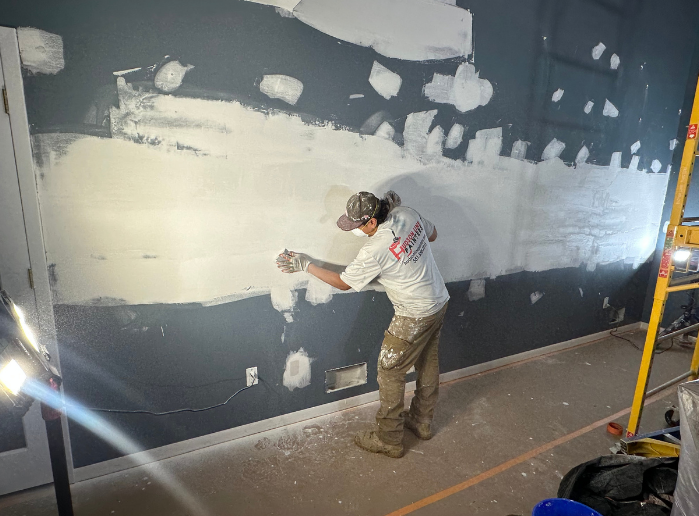
When built-in shelves come out of an Englewood home, the wall behind them is rarely in paint-ready condition. The footprint hides a scatter of anchor holes, torn face paper where brackets pulled free, adhesive residue from trim or backing, and a shadow line where the cabinet edge sat against the wall and the surrounding paint aged differently. Each defect needs different prep, and the wall behind the built-in often needs a full finish rather than just spot patches.
We map the damage across the former footprint before quoting, then patch, seal torn paper, and feather the repairs. Because the paint behind the built-in did not age the same as the exposed wall, repainting to a natural break — a corner, a door frame, or the ceiling line — usually blends better than a touch-up. The estimate separates the wall restoration from repainting so you know what is included.
Drywall & Ceiling Services
Drywall and ceiling services
Drywall Repair
After built-in shelves are removed in an Englewood home, anchor holes, torn paper, and adhesive residue across the former footprint each need different prep — we patch holes, seal torn paper with bonding primer, and remove adhesive before finishing, because painting over them telegraphs through.
The estimate separates the wall restoration from any repainting, and scopes where the finish paint stops so the repair blends into a natural break.
Corner Bead & Drywall Crack Repair
On outside corners we first assess whether the corner bead is merely dented or has come loose from the board. A shallow dent in a metal or vinyl bead can usually be filled and feathered flat, while a bead that has split, pulled away, or lost its fastening typically needs to be re-secured or replaced before any compound goes on — patching over a loose bead only hides the problem temporarily.
Failed tape at a drywall seam shows up as a lifted edge, a bubble, or a visible ridge under the paint. We cut out the loose tape, retape the joint with fresh compound, and feather it wider than the original so the repair blends. A crack that keeps returning — whether it tracks along a stair landing, an apartment entry, or a wall-to-ceiling seam — usually signals movement beneath the surface.
Patching a crack does not fix underlying movement. Where movement is present we flag it for evaluation before finishing, and where some movement is expected we use a flexible material rather than a rigid filler that will crack again. The written estimate keeps crack and corner-bead repair separate from any repainting so the scope is clear.
Hairline cracks and failed seams are sometimes exposed when built-ins come down; a cosmetic repair fills and feathers the crack but does not correct movement beneath it.
Cracks that widen or keep returning may need evaluation before patching. Where old plaster is present, we repair it as plaster rather than treating it like drywall.
Level 4 vs. Level 5 Drywall Finish
Level 4 finishes joints, fasteners, and accessories without skim-coating the entire board, and works under flat paint with forgiving light.
Level 5 adds a full-surface skim coat for a more uniform plane — valuable where the wall behind a built-in needs to match the surrounding finish, or under higher-sheen paints and deep colors. A spot skim or a single repaired patch is not by itself a Level 5 finish.
Skim Coating
A thin skim coat can smooth a sound Englewood wall behind a removed built-in — shallow ridges, old patches, and uneven texture across the former footprint — so it matches the surrounding surface.
We compare feathering individual defects with skimming the full footprint, because sheen, lighting, and the surrounding condition all affect what will show. Skim coating does not correct moisture, loose material, or structural movement.
Popcorn Ceiling Removal and Smoothing
Popcorn ceiling removal is not a confirmed company service; this is guidance only. Any ceiling texture should be evaluated for asbestos by a trained and accredited asbestos professional before it is disturbed.
Do not scrape, sand, or drill suspected asbestos, and do not assume a ceiling is asbestos-free based on appearance or age. Once a surface is cleared for ordinary work, we can discuss the ceiling repair or refinishing that might follow.
Drywall Installation and Replacement
We install new drywall in approved areas and replace damaged wall sections left behind by built-in removal, then tape, finish, and prepare the surface for paint.
A patch or section replacement is separate from a larger standalone installation; confirm the scope before quoting. We do not claim whole-house installation, framing, or licensed trade work unless verified.
Water-Damaged Drywall and Ceiling Repair
Where water damage is relevant, the leak or moisture source must be corrected first and the area assessed before we close or paint the wall.
A dry, sound stained surface may need only primer, while softened or sagging drywall may need replacement. This covers drywall and finish repair, not leak detection, emergency drying, or mold remediation.
Related drywall & painting services
- drywall and ceiling repair in Northern NJ
- Painting services in Englewood, NJ
- Interior painting in Englewood, NJ
Matching paint, repainting to a corner, or addressing trim are separate scope choices — we clarify what is included in your written estimate.
Primer & Paint
Priming drywall before painting
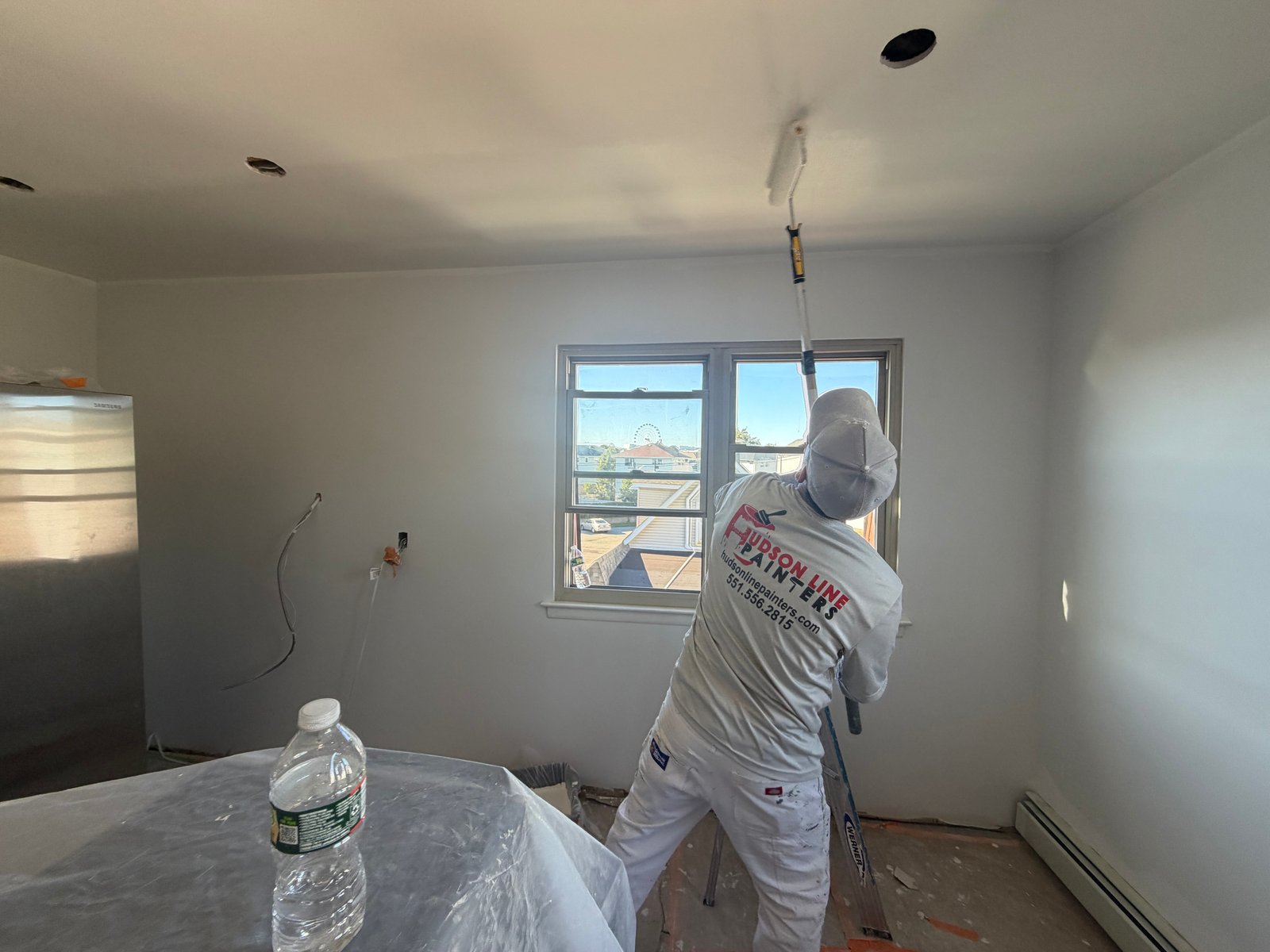
Do you need to prime drywall after a repair? Yes. Once the joint compound is fully dry, the patch is sanded smooth and the dust is removed. Primer seals the bare drywall and patching compound so the finish paint absorbs more evenly. This helps reduce flashing, the shiny or dull spot that can make a drywall patch stand out. A small repair may only need spot priming and a paint touch-up. For a larger patch or a ceiling repair, repainting to a natural break may give a more uniform finish. If priming or painting is part of the estimate, we’ll specify which surfaces are included.
Repair First, Paint Second
Benefits of repairing drywall before painting
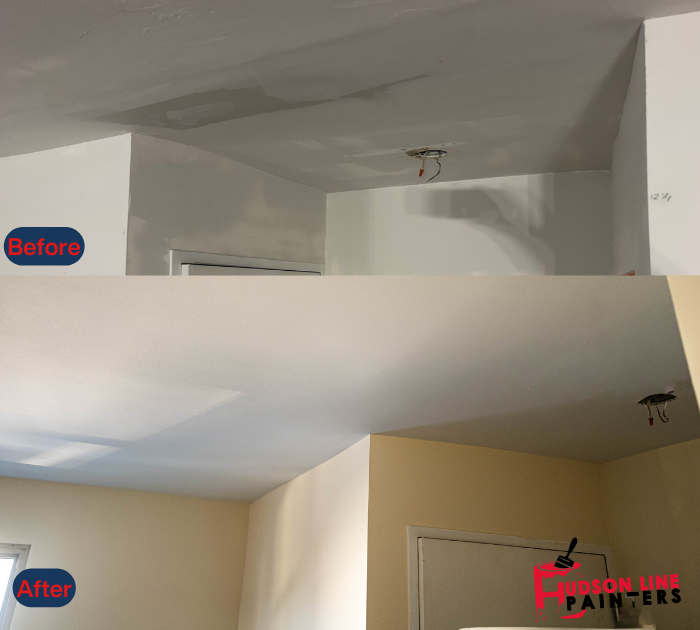
Paint changes the color, but it won’t hide a dent, a loose seam, or a damaged corner. Repairing drywall first gives the paint a smoother surface and helps the repaired area blend with the rest of the room.
- Smoother walls and ceilings: Patch holes, repair loose seams, and restore damaged corners before painting.
- A more even finish: Address raised edges and texture differences so repaired areas are less noticeable under daylight or overhead lighting.
- Repair only what’s needed: If the surrounding drywall is sound, a targeted patch may be enough instead of replacing a larger section. If a crack keeps returning or a surface is damp, identify the cause before finishing it.
When built-in shelves come out of an Englewood home, the wall behind them needs patching, sealing, and priming before repainting, because the paint there aged differently from the exposed wall.
Planning a full room refresh? See our interior painting in Englewood, NJ page for what a complete repaint includes.
How We Work
Our drywall repair process
- 1
Assessment & Free Estimate
Inspect the damage, identify the wall or ceiling material, and provide a free written estimate that separates repair from optional painting.
- 2
Preparation
Protect floors, furnishings, and nearby surfaces. Confirm any leak or moisture source has been addressed before closing or finishing the area.
- 3
Drywall Repair
Based on the damage, patch holes, repair corner bead, retape seams, or replace damaged drywall. Blend the repaired area and match the surrounding texture where practical.
- 4
Painting
Once the repair is ready, prime the patched surface and paint if included in the quote. Explain when a touch-up may work and when repainting to a corner or across the ceiling may give a more uniform finish.
Pricing
How much does drywall repair cost in Englewood, NJ?
Drywall repair in Englewood, NJ is priced by the size and type of damage, not by a flat day rate. Whether you need drywall hole patching after a move-out, corner bead repair on a damaged outside corner, drywall crack repair along a returning seam, or a full drywall patch and paint across a ceiling, the free written estimate is built around the actual repair. Repair size, ceiling access and height, texture matching, corner bead replacement, and whether painting is included all affect the final quote.
For example, patching a few small holes in a Englewood unit usually sits near the low end of the small-hole range, while a ceiling repair that needs texture matching and repainting across the full surface falls higher. Replacing damaged corner bead, or reaching a repair in a high or hard-to-access ceiling, also adds to the work. We separate repair from optional painting in every estimate so you can see exactly what is included.
General U.S. pricing guide, not a Englewood average or a Hudson Line Painters quote
Ranges shown for reference only. Your actual quote depends on the damage, access, and scope.
| Repair type | Typical range | What it covers |
|---|---|---|
| Small holes (under 4 inches) | $300–$500 | Anchor holes, nail pops, and small punctures in sound drywall. |
| Large holes | $500–$800+ | Openings left after plumbing or electrical work, or damaged sections needing a replacement piece with backing. |
| Drywall cracks | $350–$1,000+ | Hairline cracks, failed tape, and returning cracks that need retaping and finishing. |
| Ceiling repairs | $350–$1,500+ | Ceiling patches, water-stain repair, and texture matching across a broad ceiling. |
Pricing source: HomeGuide drywall repair cost guide. We do not publish a town-specific average or a fixed corner-bead or water-damage price.
Drywall Repair FAQs
Frequently asked questions about drywall repair in Englewood
Can you blend the repaired wall where a built-in used to be?
Yes. We map the damage across the former footprint — anchor holes, torn paper, adhesive residue, and the shadow line where the cabinet sat — then patch, seal, and feather the repairs. Because the paint behind the built-in aged differently, repainting to a natural break usually blends better than a touch-up, and the estimate separates the wall restoration from the repaint.
How far do you repaint after removing built-in shelves?
We scope a logical stopping point — a corner, a door frame, or the ceiling line — because the paint behind the built-in did not age the same as the exposed wall and a touch-up often shows. The written estimate separates the wall restoration from repainting to that break so you know exactly what is included.
Comprehensive Local Coverage
Explore related services or find our expertise in nearby communities.
Trusted by Northern NJ Homeowners
See what our clients across Northern New Jersey are saying about our painting services.
Englewood Painting Guides & Resources
Expert advice, cost guides, and tips from our licensed painters to help you plan your project with confidence.
August 12, 2026
Choosing the Best Paint Colors for Homes in Englewood, NJ
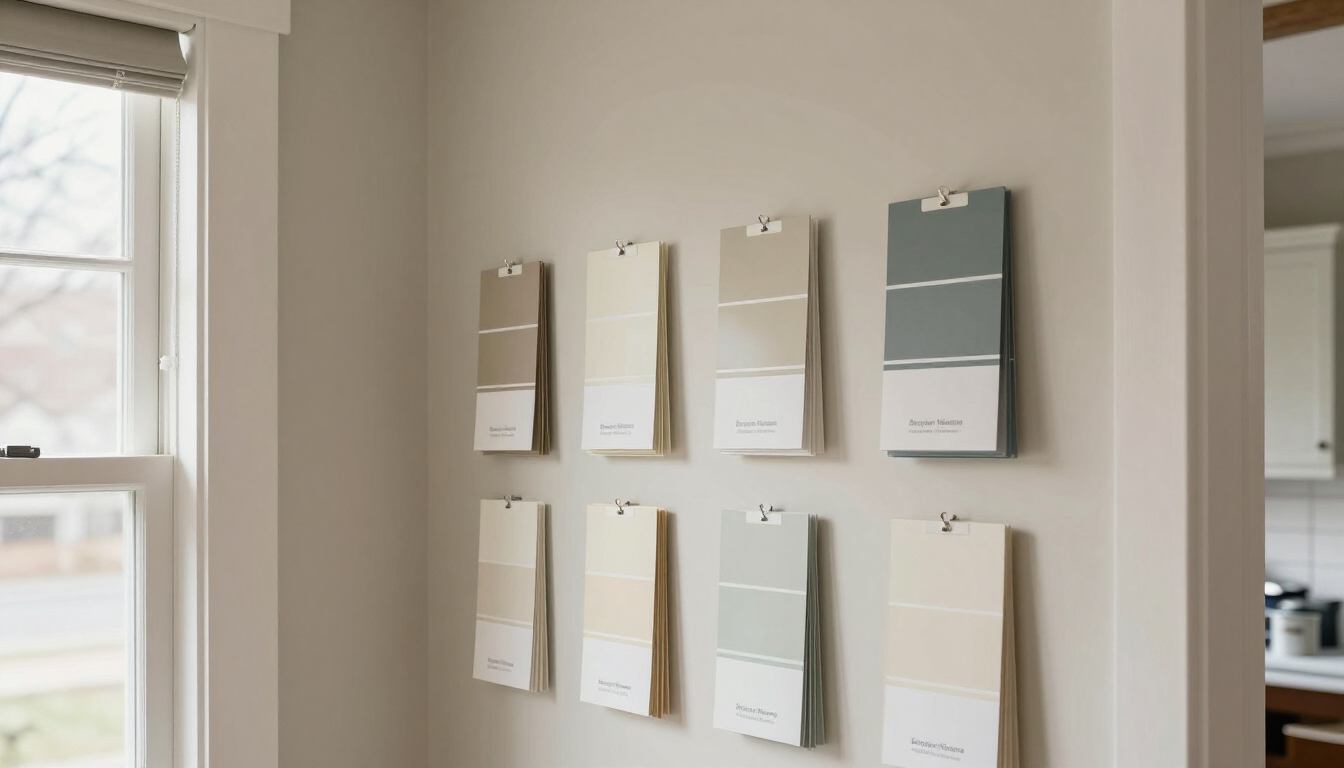
From East Hill Colonial estates to Downtown Victorians and modern renovations on Grand Avenue, the right paint color transforms an Englewood home. Expert guidance on palettes, 2026 trends, and neighborhood-specific recommendations.
Read Article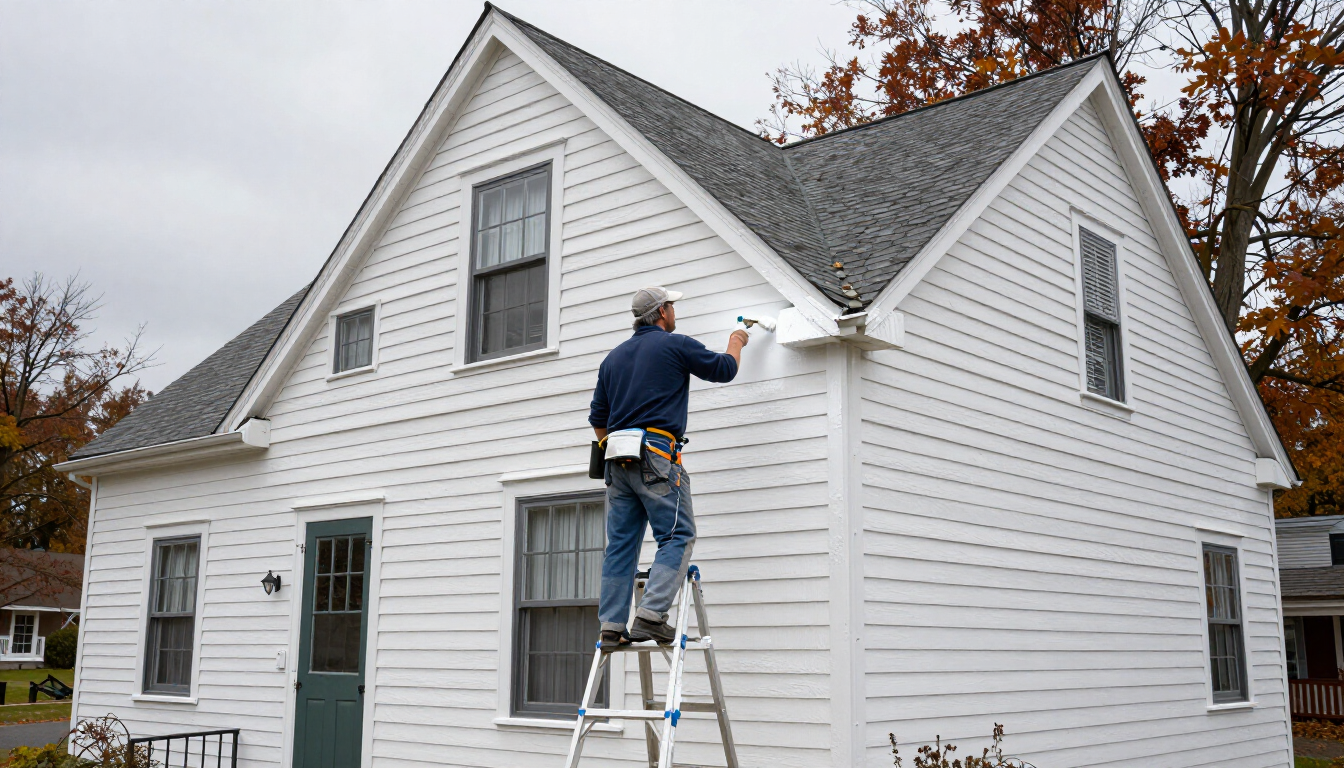
August 7, 2026
Exterior House Painting in Englewood: How Bergen County Weather Affects Your Home
Bergen County's humid summers, brutal freeze-thaw winters, and UV-intense sun take a heavy toll on Englewood exterior paint. Here's how to choose the right coatings, prep, and timing to protect your home.
Read Article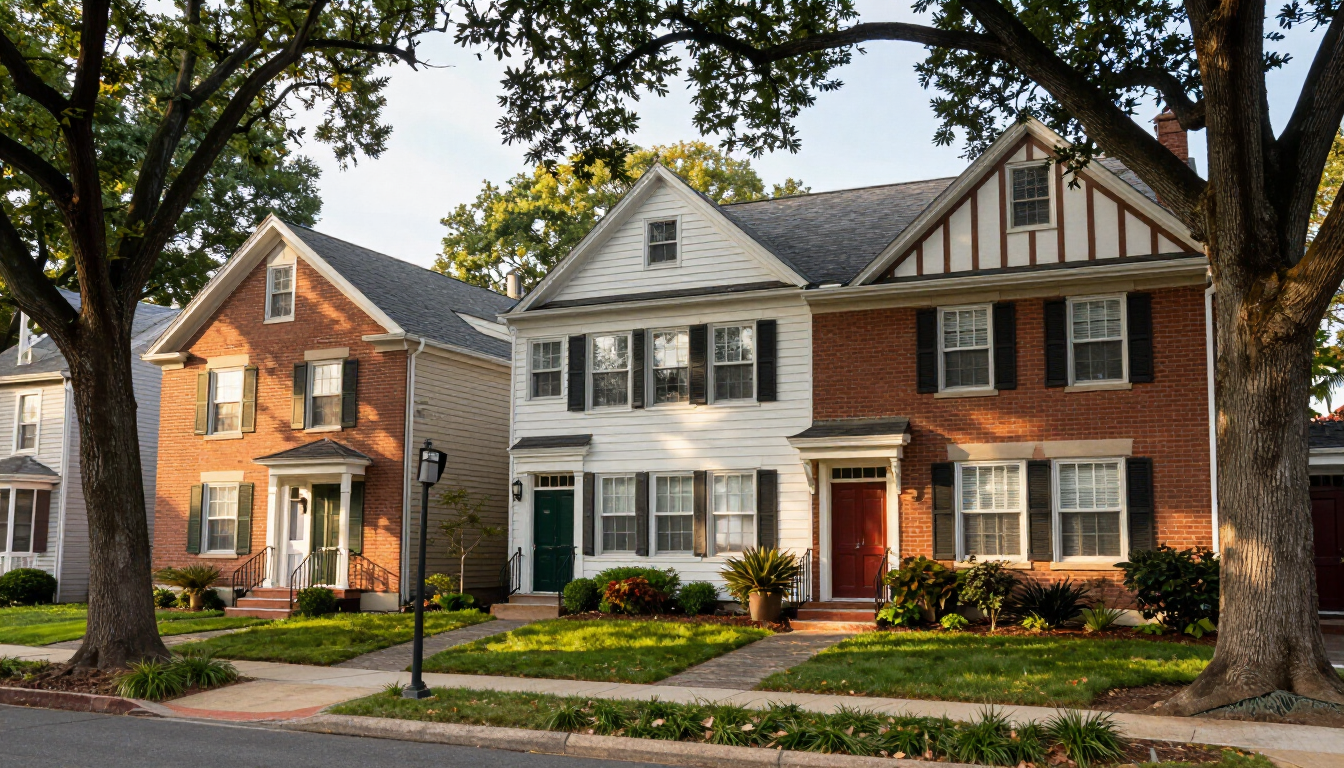
August 5, 2026
The Complete Homeowner's Guide to Painting Homes in Englewood, NJ
Everything Englewood homeowners need to know about painting — from East Hill Colonial estates and Tudor homes to Downtown brownstones, weather challenges, premium paint systems, and local color trends.
Read Article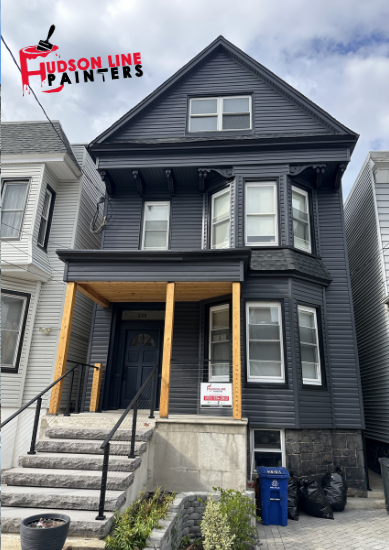
Ready to upgrade your Englewood property?
Get an exact, written estimate for your drywall repair project. Flat-rate pricing within 24 hours — no hidden fees.