Hoboken homes contain both plaster and drywall — sometimes in the same building. Knowing which you have determines how repairs should be done. This guide walks through how to identify your wall type and why it matters.
Hoboken's housing stock spans more than a century of construction, and that means the walls inside Hoboken homes are not all the same. Older brownstones and pre-war buildings typically have original plaster walls. Renovated homes, condos, and newer construction have drywall. And many Hoboken homes have both — original plaster in the older parts of the building and drywall where sections have been renovated or repaired.
Knowing whether your walls are plaster or drywall isn't an academic question. The two materials require different repair techniques, different primers, different preparation, and different costs. This guide walks you through how to identify your wall type, how the two compare, what mixed construction means for your project, and why the distinction matters when it's time to repair or paint.
Plaster Walls — Characteristics
Plaster is a wet-applied material spread in multiple coats over a wooden or metal lath substrate. As it dries, it keys into the lath and forms a hard, dense, monolithic surface.

- Hard, dense surface. Plaster is significantly harder and denser than drywall. It resists dents and punctures but is brittle and prone to cracking.
- Smooth finish (typically). A well-finished plaster wall is smooth, though hand application can leave subtle variations.
- Cracks can be common. Because plaster is rigid, building movement produces cracks — hairline, structural, and around openings.
- Repair requires a specialized approach. Plaster repair uses bonding agents, reinforcement, and flexible fillers, not just tape and compound.
- Common in pre-1970s homes. Plaster was the standard wall finish before drywall replaced it in the mid-20th century.
- Often found in Hoboken brownstones. The city's pre-war brownstones and row houses overwhelmingly have original plaster.
Drywall Walls — Characteristics
Drywall (also called gypsum board or Sheetrock) is a manufactured panel material installed in sheets over framing. The joints between panels are taped and finished with joint compound to create a continuous surface.
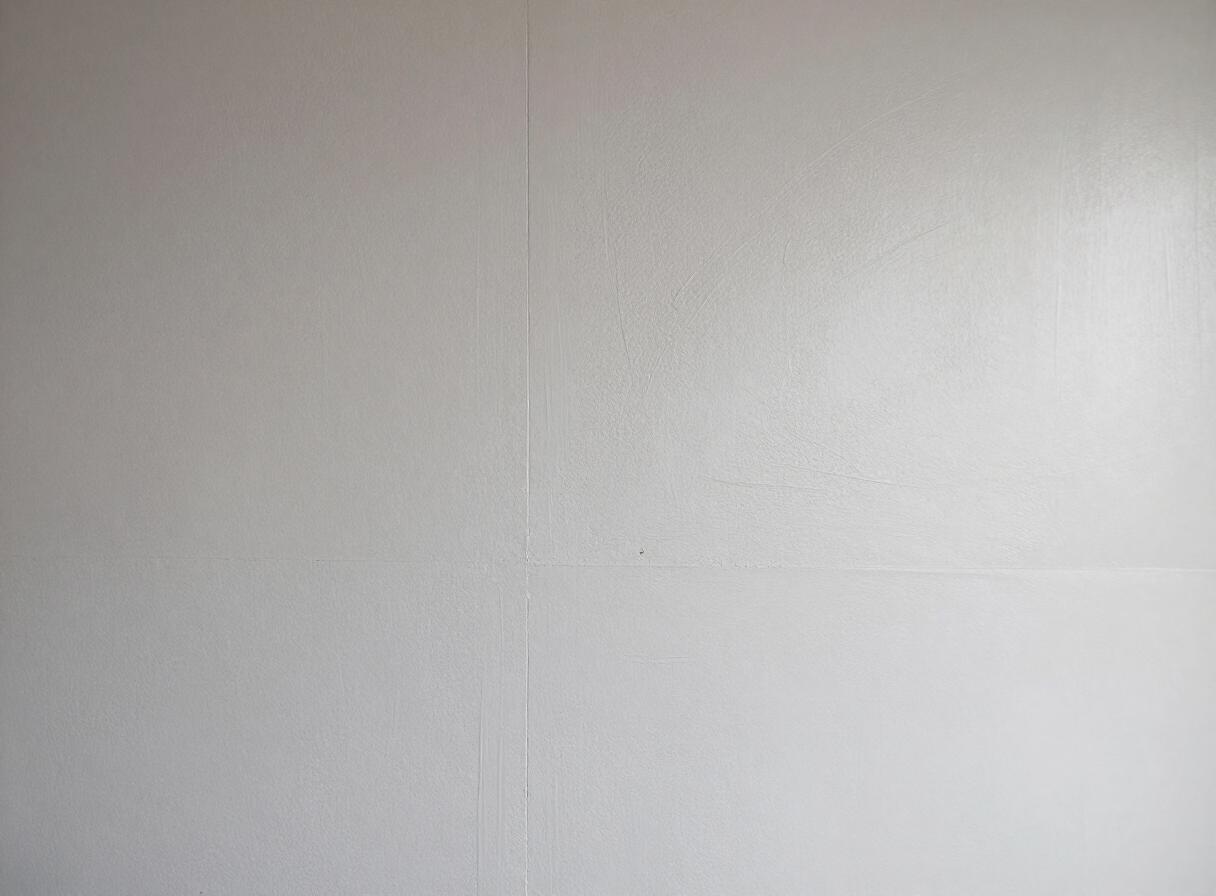
- Panel construction. Drywall is installed in 4-foot-wide sheets. Visible seams can show through if finishing is poor.
- Softer than plaster. The gypsum core is softer and more easily dented or punctured than plaster.
- Easier to repair. Drywall repair is more straightforward — cut a patch, tape the seams, mud, sand, prime, and paint.
- Seams are common repair areas. Drywall cracks typically follow the joints between panels.
- Common in post-1970s construction. Drywall became the standard wall material in the second half of the 20th century.
- Found in renovated Hoboken homes. Renovated brownstones, condos, and newer apartment buildings have drywall.
How to Tell If You Have Plaster or Drywall
You don't need to be a contractor to identify your wall type. Four simple tests will tell you:
Visual Inspection
Look for seams. Drywall has joints every 4 feet — if you can see faint vertical lines at regular intervals (especially under raking light), you likely have drywall. Plaster is monolithic, with no panel seams.
The Tap Test
Knock on the wall with your knuckles. A plaster wall produces a hard, solid, high-pitched sound. Drywall sounds hollower and lower-pitched, with a slight give. The difference is unmistakable once you've heard both.
The Probe Test
Behind a switch or outlet cover (with the power off), you can often see the edge of the wall material. Plaster is typically 1/2 to 3/4 inch thick, dense, and often shows the lath behind it. Drywall is a uniform panel, usually 1/2 or 5/8 inch thick, with a paper facing. Pushing a small nail into an inconspicuous spot also reveals the difference — plaster resists firmly, drywall gives more easily.
Crack Patterns
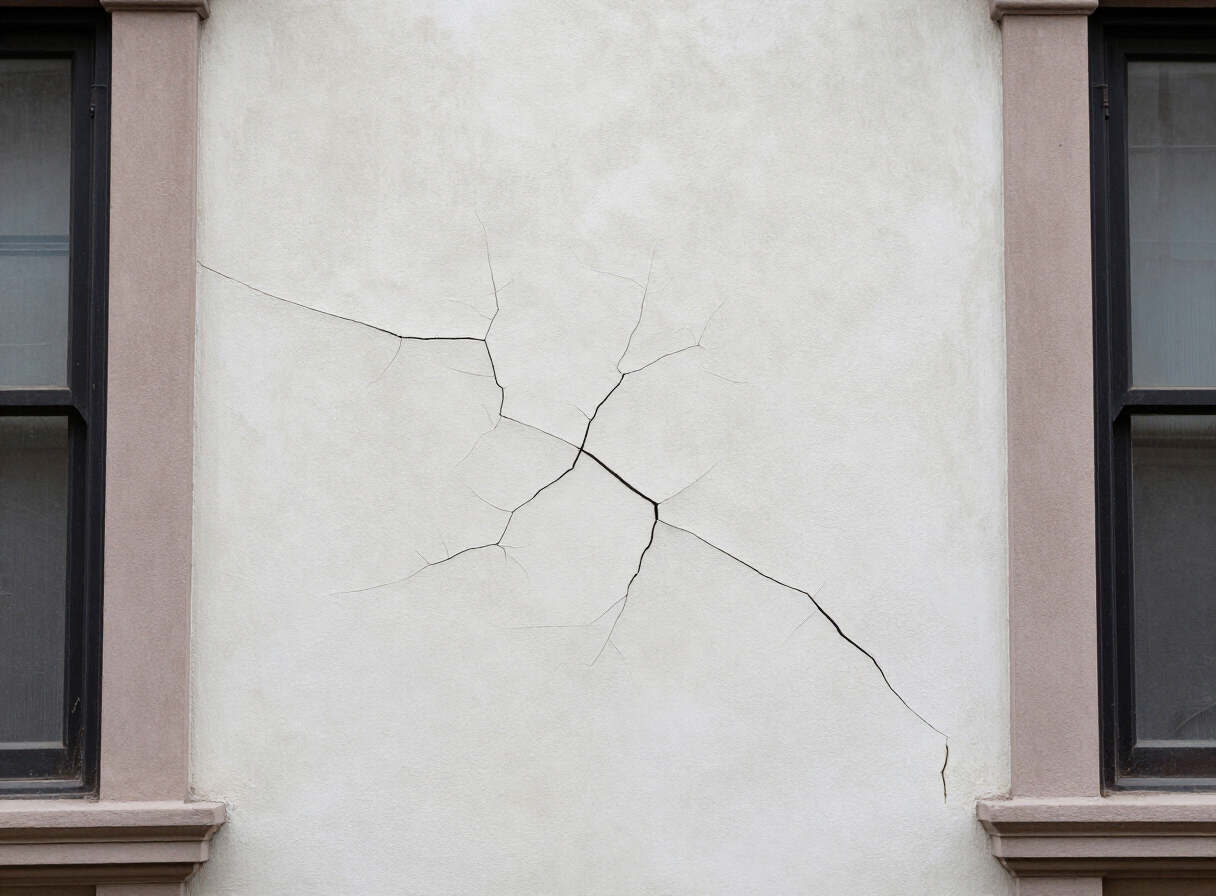
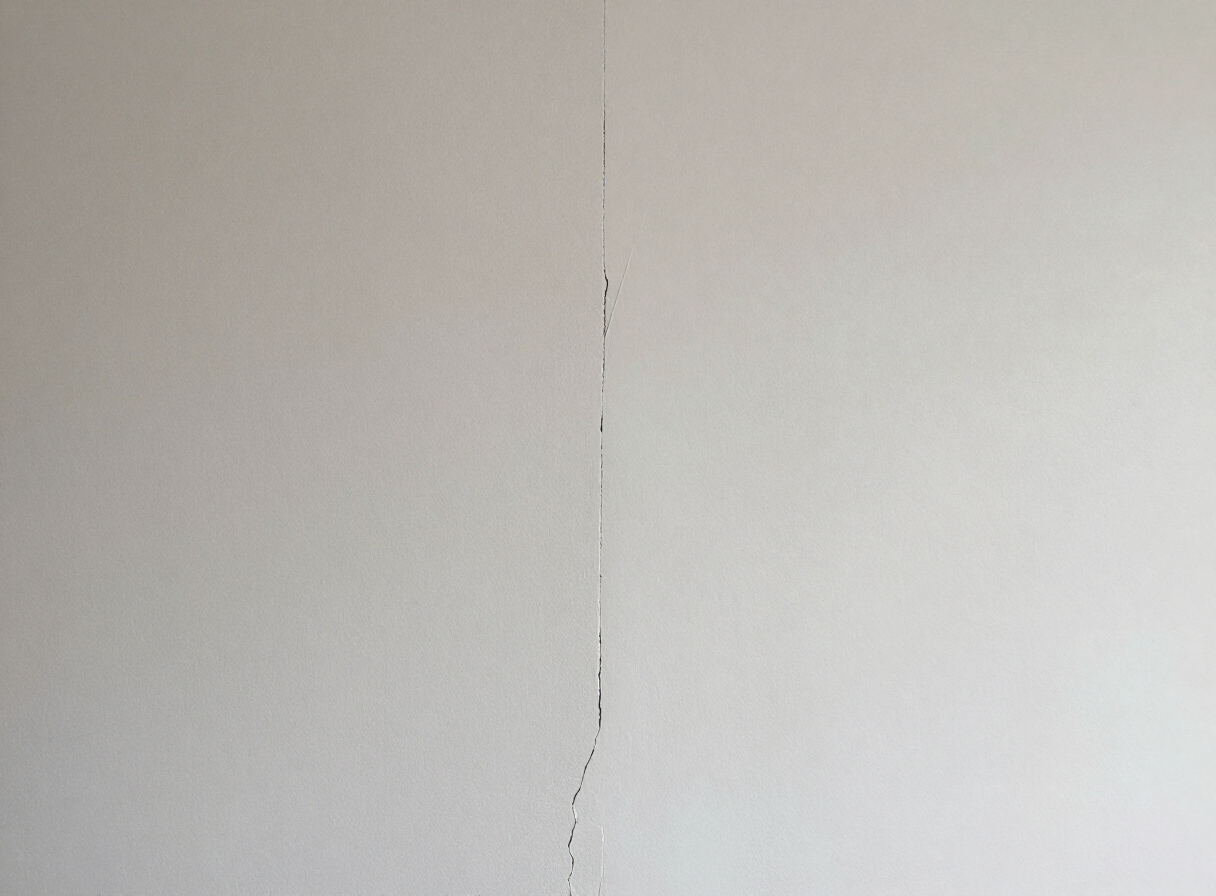
Plaster cracks tend to be irregular, following the natural stress lines in the wall. Drywall cracks usually run in straight lines along seams or corners. The crack pattern is a strong clue to the material underneath.
Age of Home and Previous Renovations
If your Hoboken home was built before 1950 and hasn't been gut-renovated, you almost certainly have plaster. If it was built after 1970, you have drywall. Homes built between 1950 and 1970 may have either, and any renovated home may have a mix.
Comparison Table
| Characteristic | Plaster | Drywall |
|---|---|---|
| Appearance | Monolithic, no seams, hand-finished | Panel-based, seams every 4 ft |
| Hardness | Hard, dense, brittle | Softer, more easily dented |
| Cracking patterns | Irregular, follows stress lines | Straight, along seams |
| Repair difficulty | More specialized | More straightforward |
| Cost to repair | Generally higher | Generally lower |
| Durability | Can last 100+ years | 30–50 years typical |
| Common in Hoboken | Brownstones, pre-war buildings | Condos, renovated homes, new construction |
Mixed Construction in Hoboken Homes
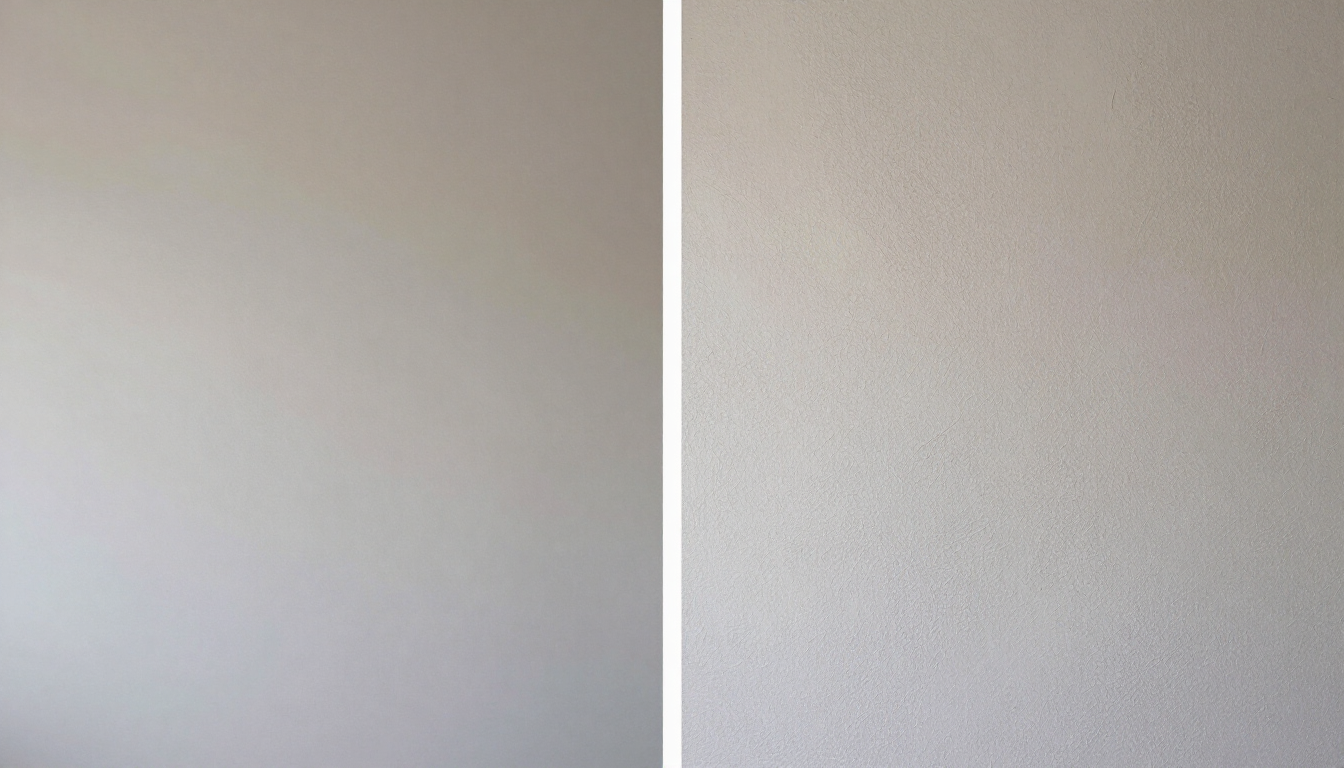
Many Hoboken homes aren't purely one or the other. A brownstone might have original plaster in the living room and hallway, but drywall in a renovated kitchen or bathroom. A condo might have drywall throughout, except for one exposed plaster wall left as a design feature. This mixed construction is extremely common in Hoboken and it matters for repair.
- Older homes with renovated sections — original plaster plus new drywall in updated kitchens, baths, or additions.
- Original plaster + new drywall combinations — where a damaged plaster section has been cut out and replaced with drywall.
- Why this matters for repair — each material needs its own repair approach. A single project may require both plaster repair techniques and drywall patching.
- Transition areas between materials — the seam where plaster meets drywall is a common trouble spot that needs careful feathering to disappear.
- Repair challenges with mixed walls — matching texture and finish across two different materials takes experience and the right primers.
Why This Matters for Repair
Identifying your wall type isn't just curiosity — it directly affects your project:
- Different repair materials. Plaster uses bonding agents and plaster-based patching compound; drywall uses tape and joint compound.
- Different repair techniques. Plaster repair reinforces and re-bonds; drywall repair cuts, tapes, and feathers.
- Different primers. Bonding primer for plaster and fresh compound; high-adhesion primer for drywall repairs.
- Different preparation. Plaster may need skim coating to level; drywall may need seam re-finishing.
- Different costs. Plaster repair is generally more labor-intensive and costs more than comparable drywall repair.
Repair Approaches by Wall Type
Plaster Repair Process
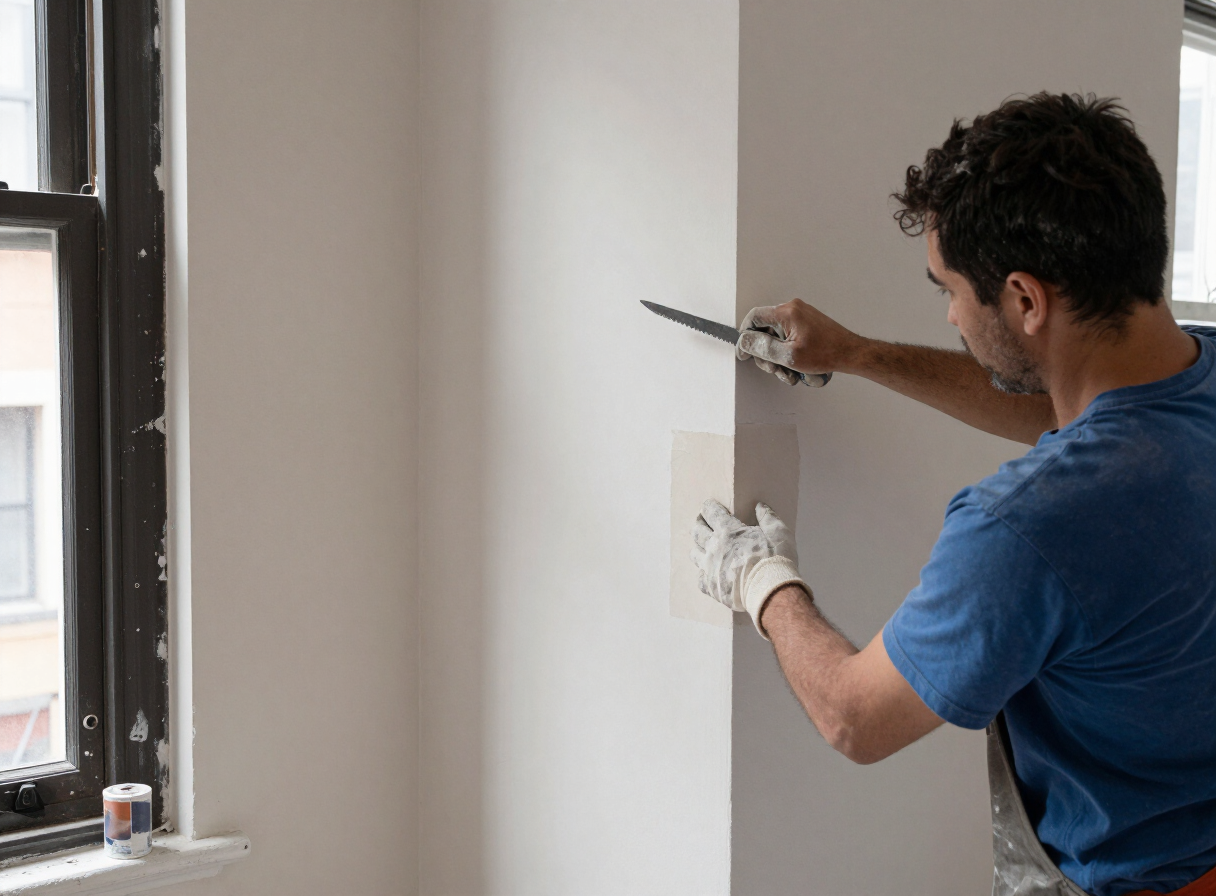
Evaluate, remove loose material, patch with appropriate compound, reinforce cracks with mesh, skim coat if uneven, sand, prime with bonding primer, and paint. (Full details in our plaster repair guide.)
Drywall Repair Process
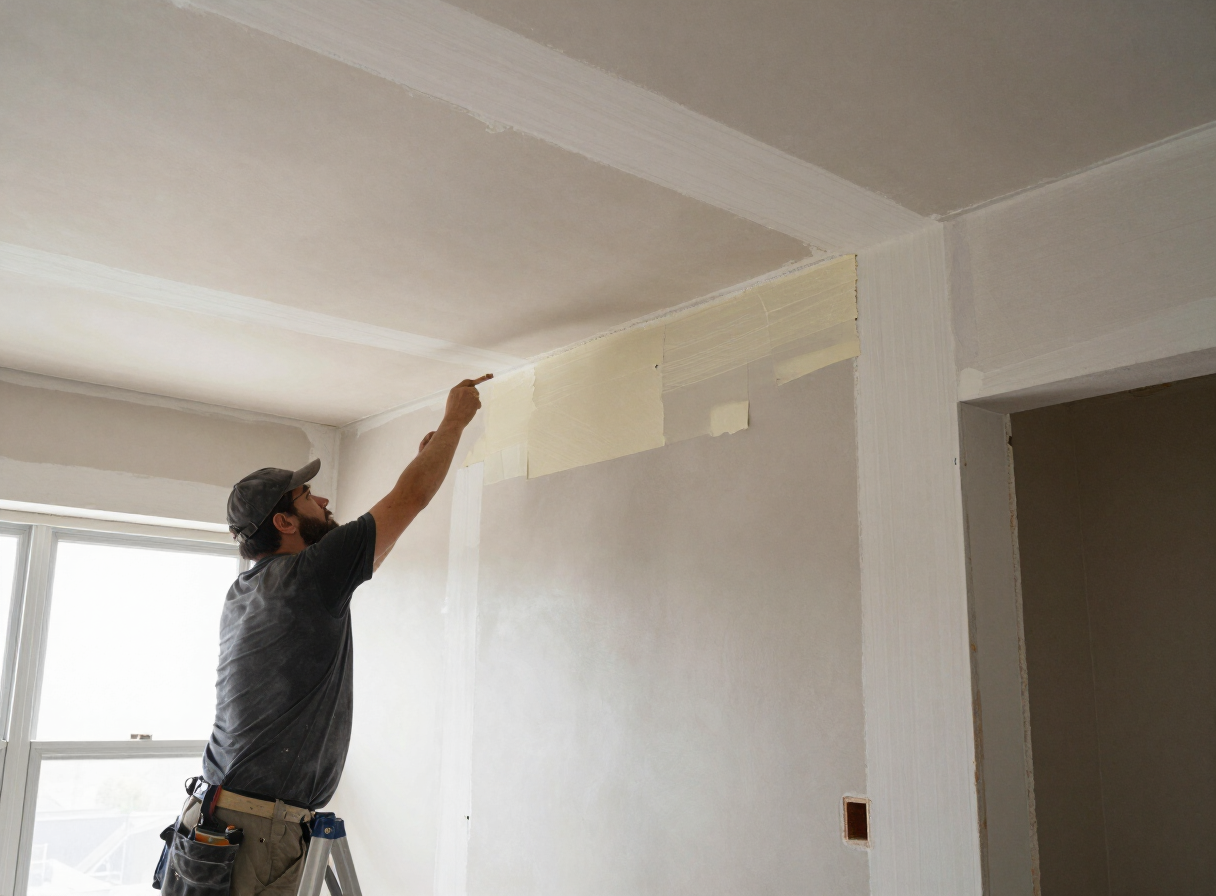
Cut a clean patch to size, install backing if needed, tape the seams, apply joint compound in feathered coats, sand smooth, prime, and paint.
When to Patch vs. Replace
Small cracks and holes in either material are patched. Large damaged sections — a crumbling plaster area or a water-softened drywall panel — may need to be cut out and replaced.
Priming and Painting Differences
Both materials need primer over fresh compound, but plaster benefits from a bonding primer that grips the dense, hard surface, while drywall repairs need a primer that seals the porous compound and paper.
Common Hoboken Scenarios
- Brownstone with original plaster — plaster throughout, with cracks, loose sections, and decades of old repairs. Needs plaster repair and often skim coating.
- Condo with drywall — drywall throughout, with seam cracks, anchor holes, and minor dents. Needs standard drywall patching.
- Renovated home with mixed walls — plaster in original rooms, drywall in renovated kitchen and baths. Needs both repair approaches in one project.
- Apartment with drywall — drywall walls with TV-mount holes, picture holes, and move-out damage. Needs drywall patching and repainting.
- Historic home with plaster — original plaster to be preserved, requiring careful, conservation-minded repair.
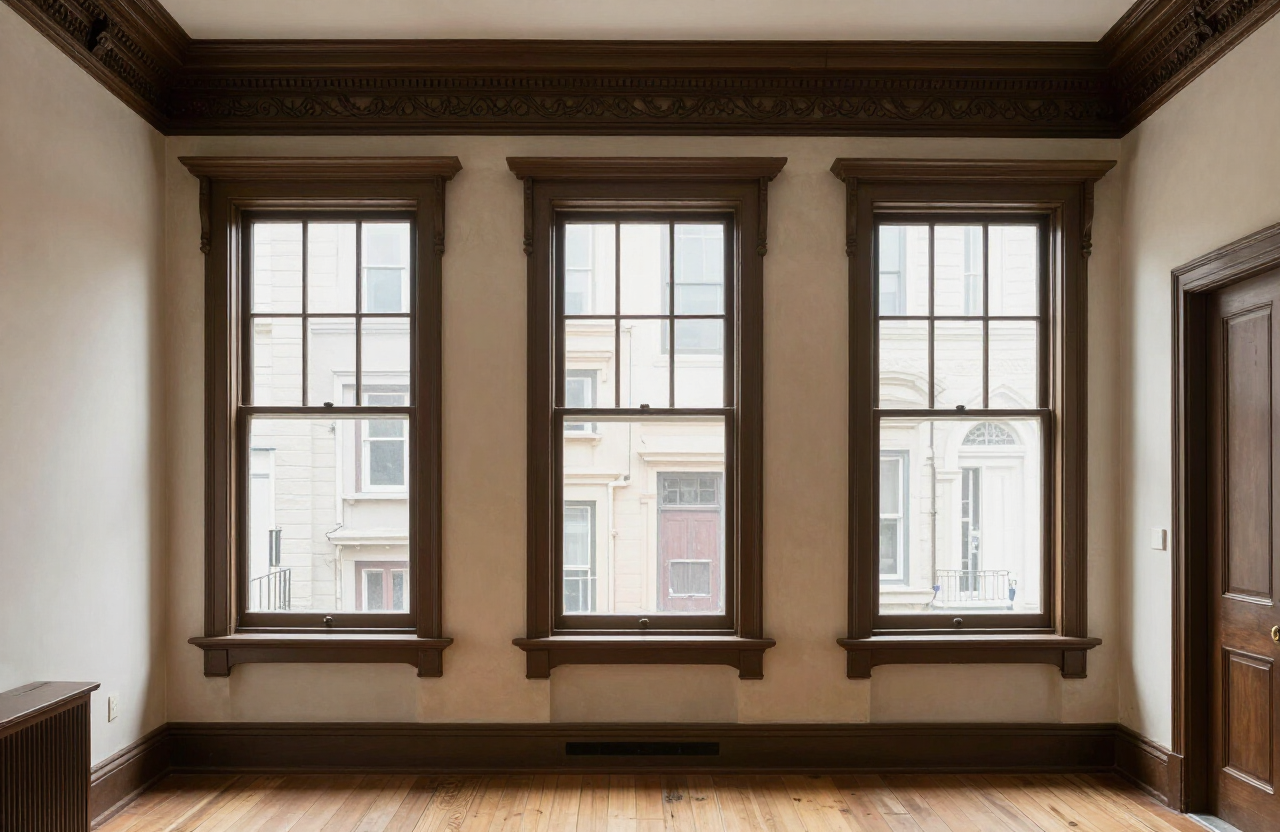
Not Sure What Your Walls Are?
If you're uncertain whether your Hoboken home has plaster, drywall, or a mix of both, the surest way to know is an in-person evaluation. Hudson Line Painters assesses wall conditions as part of every free estimate and recommends the right repair approach for each material.
Request a free Hoboken wall evaluation →
Ready to repair? Explore our Hoboken drywall & plaster repair services →
Ready to paint after repair? Explore our Hoboken interior painting services →
Related reading: plaster repair in Hoboken brownstones, skim coating in Hoboken, water stains on Hoboken walls, and drywall repair after plumbing & electrical work.