NEW PROVIDENCE
Drywall Repair in New Providence, NJ
Hudson Line Painters patches ceilings in New Providence, NJ, after a cable run, fixture, or bracket is removed. When something comes off a ceiling — an old light fixture, a speaker cable, a discontinued smoke detector — it leaves anchor holes, a junction box, or a cut access path. We close what can be closed, keep any access point that code or the trades require open, and plan where the painting boundary sits.




Licensed & Insured
State of NJ
5.0★ Rated
84 Google Reviews
100+ Projects
Completed
Satisfaction Guaranteed
1-Year Warranty
Free Estimates
Within 24 Hours
EPA Lead Safe
Certified Firm
Trusted with 100+ completed projects across Northern New Jersey
Closing a ceiling opening after a removal in New Providence
The first question for any New Providence ceiling opening is what the trades require to stay. A junction box that is still live generally needs to remain accessible — it gets a blank cover, not drywall — and the electrician confirms what can be decommissioned. We do not make that call; we work from what your electrician or the building requirements say, then patch everything that is genuinely retired: anchor holes, bracket holes, and cut paths left by a removed cable run.
A long narrow cut from a cable path is patched with backing behind it, taped, and feathered across the ceiling so the line disappears into the plane. The painting boundary is a separate decision: on a broad ceiling, a fresh patch of paint over the repair usually shows against the older finish, so repainting the full plane often blends better. The estimate separates the patch from the repaint and states where each stops.
Drywall & Ceiling Services
Drywall and ceiling services
Drywall Repair
After a removal in a New Providence home, we patch anchor holes, bracket holes, and cut cable paths — with backing behind long cuts, taped and feathered into the ceiling plane — while any access point the trades or code require stays open.
A live junction box generally remains accessible with a blank cover rather than drywall; the electrician confirms what can be decommissioned. The estimate separates the patch from repainting and states where each stops.
Corner Bead & Drywall Crack Repair
On outside corners we first assess whether the corner bead is merely dented or has come loose from the board. A shallow dent in a metal or vinyl bead can usually be filled and feathered flat, while a bead that has split, pulled away, or lost its fastening typically needs to be re-secured or replaced before any compound goes on — patching over a loose bead only hides the problem temporarily.
Failed tape at a drywall seam shows up as a lifted edge, a bubble, or a visible ridge under the paint. We cut out the loose tape, retape the joint with fresh compound, and feather it wider than the original so the repair blends. A crack that keeps returning — whether it tracks along a stair landing, an apartment entry, or a wall-to-ceiling seam — usually signals movement beneath the surface.
Patching a crack does not fix underlying movement. Where movement is present we flag it for evaluation before finishing, and where some movement is expected we use a flexible material rather than a rigid filler that will crack again. The written estimate keeps crack and corner-bead repair separate from any repainting so the scope is clear.
Hairline cracks and failed seams around a removed fixture are filled and feathered; a cosmetic repair does not correct movement beneath it.
Cracks that widen or keep returning may need evaluation before patching. Where the ceiling has old plaster, we repair it as plaster rather than treating it like drywall.
Level 4 vs. Level 5 Drywall Finish
Level 4 finishes joints, fasteners, and accessories without skim-coating the entire board, and is the standard choice for a patched ceiling under flat paint.
Level 5 adds a full-surface skim coat for a more uniform plane — occasionally worth it on a broad ceiling under strong light or higher sheen, where a patch can read as a band. A single patch is not by itself a Level 5 finish.
Skim Coating
A thin skim coat can improve a sound ceiling with shallow ridges or several old patches before paint goes on.
We compare feathering the patch locally with skimming the full ceiling plane, because lighting, sheen, and the size of the repaired area all affect what will show. Skim coating does not remedy moisture, loose material, or structural movement.
Popcorn Ceiling Removal and Smoothing
Popcorn ceiling removal is not a confirmed company service; this is guidance only. Any ceiling texture should be evaluated for asbestos by a trained and accredited asbestos professional before it is disturbed.
Do not scrape, sand, or drill suspected asbestos, and do not assume a ceiling is asbestos-free based on appearance or age. Once a surface is cleared for ordinary work, we can discuss the ceiling repair or refinishing that might follow.
Drywall Installation and Replacement
We install new drywall in approved areas and replace damaged ceiling sections, then tape, finish, and prepare the surface for paint.
A patch or section replacement is separate from a larger standalone installation; confirm the scope before quoting. We do not claim whole-house installation, framing, or licensed trade work unless verified.
Water-Damaged Drywall and Ceiling Repair
Where water damage is relevant, the leak or moisture source must be corrected first and the ceiling assessed before we close or coat it.
A dry, sound stained surface may need only stain-blocking primer, while softened or sagging drywall may need replacement. This covers drywall and finish repair, not leak detection, emergency drying, or mold remediation.
Related drywall & painting services
- drywall and ceiling repair in Northern NJ
- Painting services in New Providence, NJ
- Interior painting in New Providence, NJ
Matching paint, repainting to a corner, or addressing trim are separate scope choices — we clarify what is included in your written estimate.
Primer & Paint
Priming drywall before painting
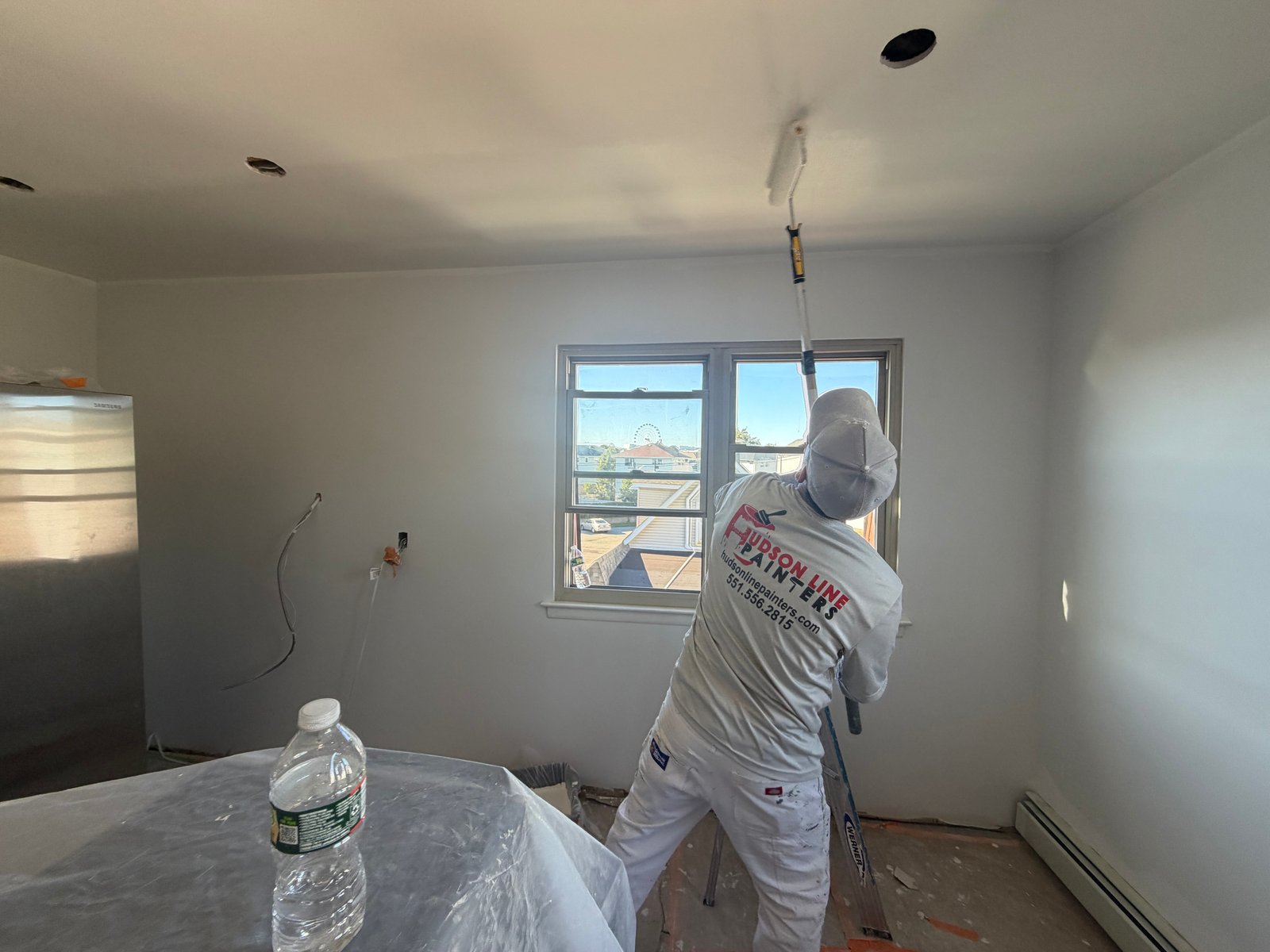
Do you need to prime drywall after a repair? Yes. Once the joint compound is fully dry, the patch is sanded smooth and the dust is removed. Primer seals the bare drywall and patching compound so the finish paint absorbs more evenly. This helps reduce flashing, the shiny or dull spot that can make a drywall patch stand out. A small repair may only need spot priming and a paint touch-up. For a larger patch or a ceiling repair, repainting to a natural break may give a more uniform finish. If priming or painting is part of the estimate, we’ll specify which surfaces are included.
Repair First, Paint Second
Benefits of repairing drywall before painting
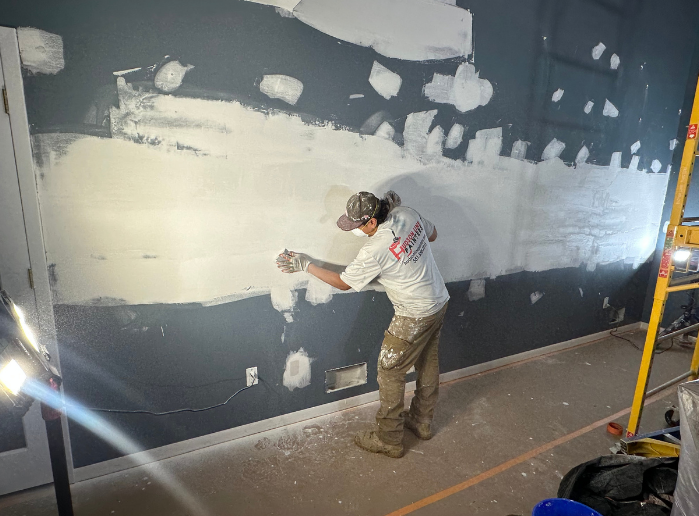
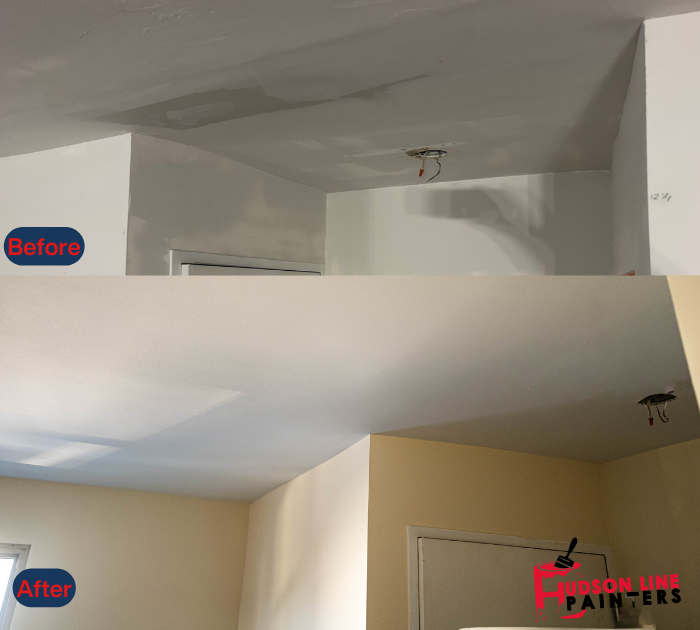
Paint changes the color, but it won’t hide a dent, a loose seam, or a damaged corner. Repairing drywall first gives the paint a smoother surface and helps the repaired area blend with the rest of the room.
- Smoother walls and ceilings: Patch holes, repair loose seams, and restore damaged corners before painting.
- A more even finish: Address raised edges and texture differences so repaired areas are less noticeable under daylight or overhead lighting.
- Repair only what’s needed: If the surrounding drywall is sound, a targeted patch may be enough instead of replacing a larger section. If a crack keeps returning or a surface is damp, identify the cause before finishing it.
When a New Providence ceiling opening is retired, the cut is backed and feathered before priming, and on a broad ceiling repainting the full plane blends the repair where a strip of fresh paint would show.
Planning a full room refresh? See our interior painting in New Providence, NJ page for what a complete repaint includes.
How We Work
Our drywall repair process
- 1
Assessment & Free Estimate
Inspect the damage, identify the wall or ceiling material, and provide a free written estimate that separates repair from optional painting.
- 2
Preparation
Protect floors, furnishings, and nearby surfaces. Confirm any leak or moisture source has been addressed before closing or finishing the area.
- 3
Drywall Repair
Based on the damage, patch holes, repair corner bead, retape seams, or replace damaged drywall. Blend the repaired area and match the surrounding texture where practical.
- 4
Painting
Once the repair is ready, prime the patched surface and paint if included in the quote. Explain when a touch-up may work and when repainting to a corner or across the ceiling may give a more uniform finish.
Pricing
How much does drywall repair cost in New Providence, NJ?
Drywall repair in New Providence, NJ is priced by the size and type of damage, not by a flat day rate. Whether you need drywall hole patching after a move-out, corner bead repair on a damaged outside corner, drywall crack repair along a returning seam, or a full drywall patch and paint across a ceiling, the free written estimate is built around the actual repair. Repair size, ceiling access and height, texture matching, corner bead replacement, and whether painting is included all affect the final quote.
For example, patching a few small holes in a New Providence unit usually sits near the low end of the small-hole range, while a ceiling repair that needs texture matching and repainting across the full surface falls higher. Replacing damaged corner bead, or reaching a repair in a high or hard-to-access ceiling, also adds to the work. We separate repair from optional painting in every estimate so you can see exactly what is included.
General U.S. pricing guide, not a New Providence average or a Hudson Line Painters quote
Ranges shown for reference only. Your actual quote depends on the damage, access, and scope.
| Repair type | Typical range | What it covers |
|---|---|---|
| Small holes (under 4 inches) | $300–$500 | Anchor holes, nail pops, and small punctures in sound drywall. |
| Large holes | $500–$800+ | Openings left after plumbing or electrical work, or damaged sections needing a replacement piece with backing. |
| Drywall cracks | $350–$1,000+ | Hairline cracks, failed tape, and returning cracks that need retaping and finishing. |
| Ceiling repairs | $350–$1,500+ | Ceiling patches, water-stain repair, and texture matching across a broad ceiling. |
Pricing source: HomeGuide drywall repair cost guide. We do not publish a town-specific average or a fixed corner-bead or water-damage price.
Drywall Repair FAQs
Frequently asked questions about drywall repair in New Providence
Can you match the surrounding ceiling once an old fixture is gone?
The repair itself blends well: we patch with backing, tape, and feather the compound into the plane so the opening disappears structurally. The match question is usually about paint — a fresh patch of paint over the repair often shows against an older finish on a broad ceiling, so repainting the full plane usually blends better. We separate the patch from the repaint in the estimate so the boundary is your decision.
Can the junction box just be drywalled over now that the fixture is removed?
Not if it is still live. An energized junction box generally needs to remain accessible — typically with a blank cover — and your electrician confirms what can be decommissioned. We work from what the trades and code require: everything genuinely retired gets patched, and required access points stay open. We do not make that determination ourselves.
Comprehensive Local Coverage
Explore related services or find our expertise in nearby communities.
Trusted by Northern NJ Homeowners
See what our clients across Northern New Jersey are saying about our painting services.
Drywall Repair Tips & Guides
Expert advice, cost guides, and tips from our licensed painters to help you plan your project with confidence.
August 10, 2026
The Complete Homeowner's Guide to Painting Homes in Englewood Cliffs, NJ
Englewood Cliffs luxury homes demand specialized painting expertise. This comprehensive guide covers everything — from Palisades weather and material-specific prep to premium finishes, cabinet refinishing, cost factors, and color selection for Bergen County's most exclusive residences.
Read Article
August 4, 2026
10 Questions Every Edgewater Homeowner Should Ask Before Hiring a Painting Contractor
Hiring the right painting contractor for your Edgewater home or condo takes more than a price comparison. These 10 questions will help you evaluate any contractor's experience with waterfront properties, HOA requirements, and occupied condo painting.
Read Article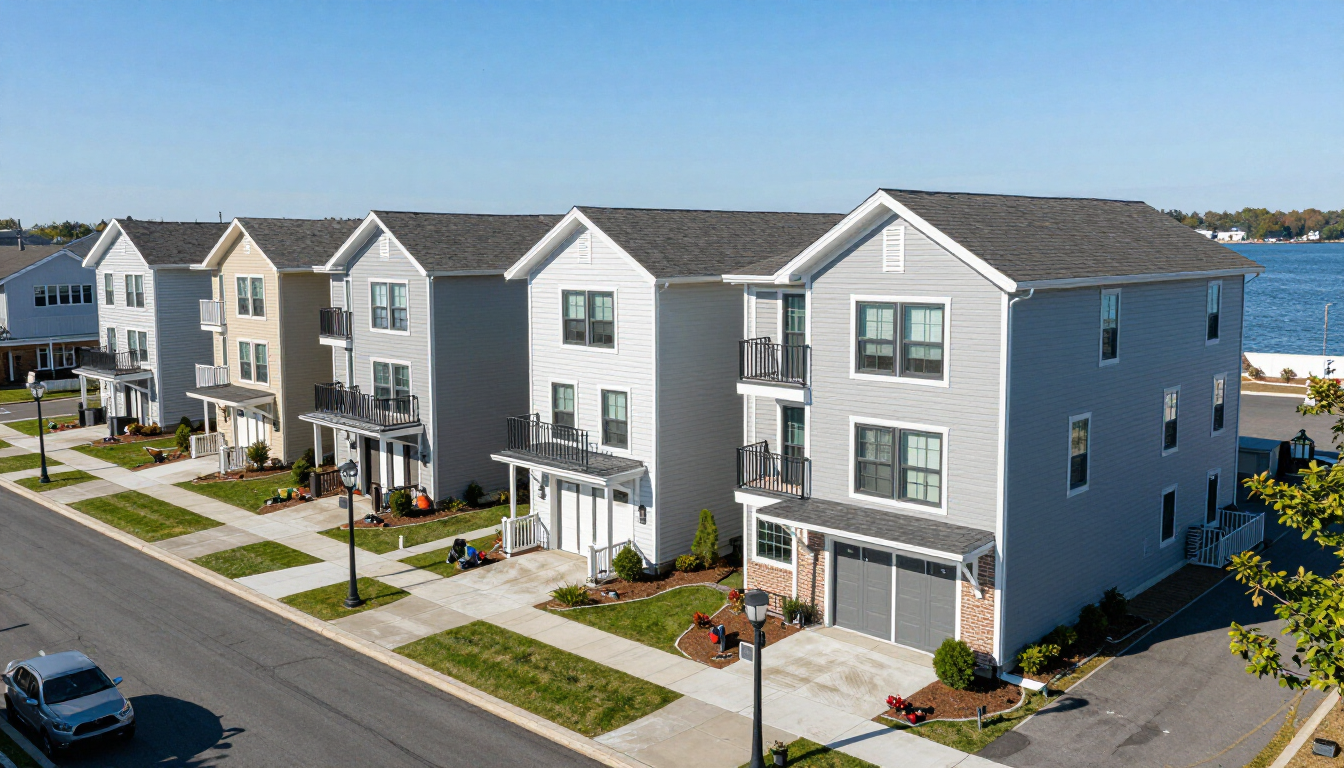
August 4, 2026
The Complete Homeowner's Guide to Painting Homes and Condos in Edgewater, NJ
Edgewater's waterfront location creates unique painting challenges. This complete guide covers everything — from Hudson River moisture and HOA requirements to premium paint systems and color selection for condos and single-family homes.
Read Article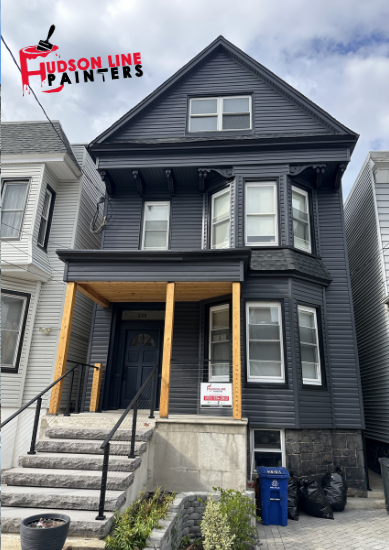
Ready to upgrade your New Providence property?
Get an exact, written estimate for your drywall repair project. Flat-rate pricing within 24 hours — no hidden fees.