Painting historic and older homes in Englewood, NJ takes more than a fresh color. This flagship guide covers plaster restoration, ornate trim and millwork, lead-safe prep on pre-1978 homes, and wallpaper removal — the prep that defines quality on Englewood's older Colonials and Victorians.
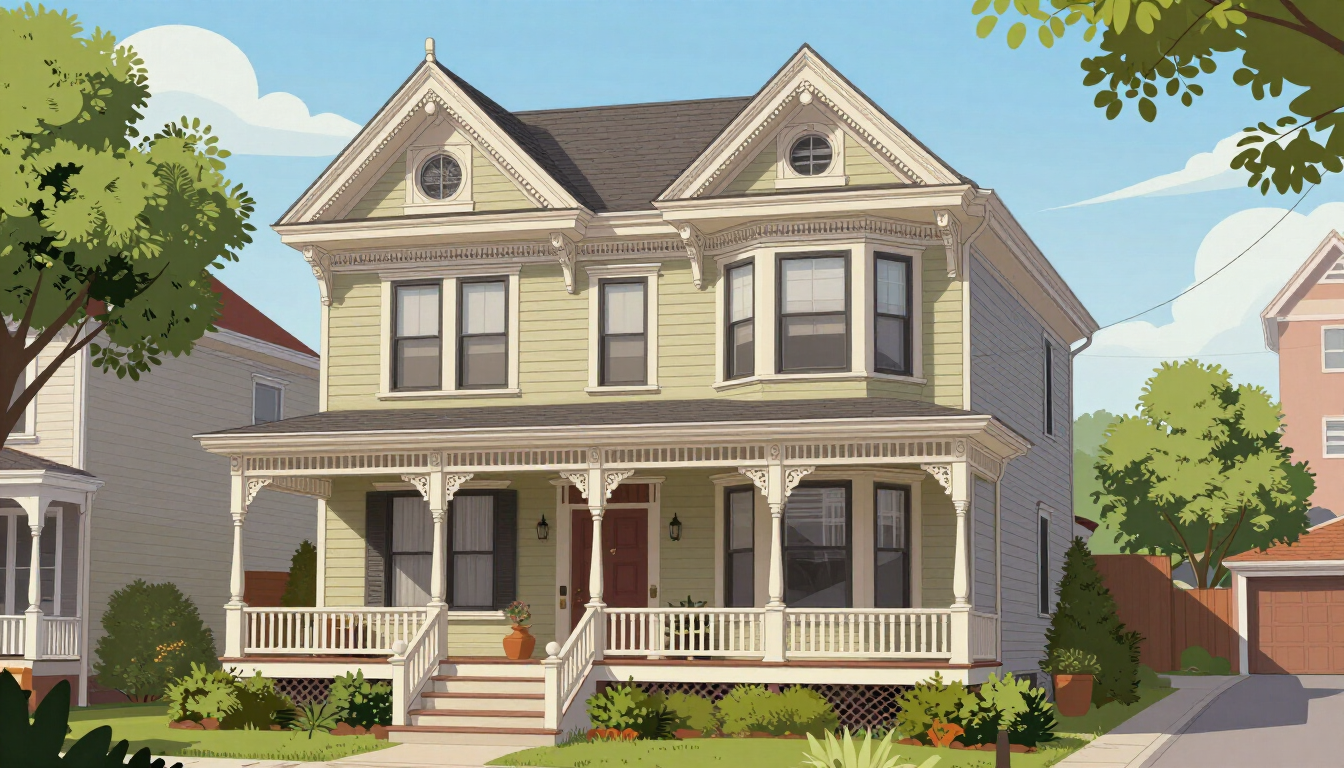
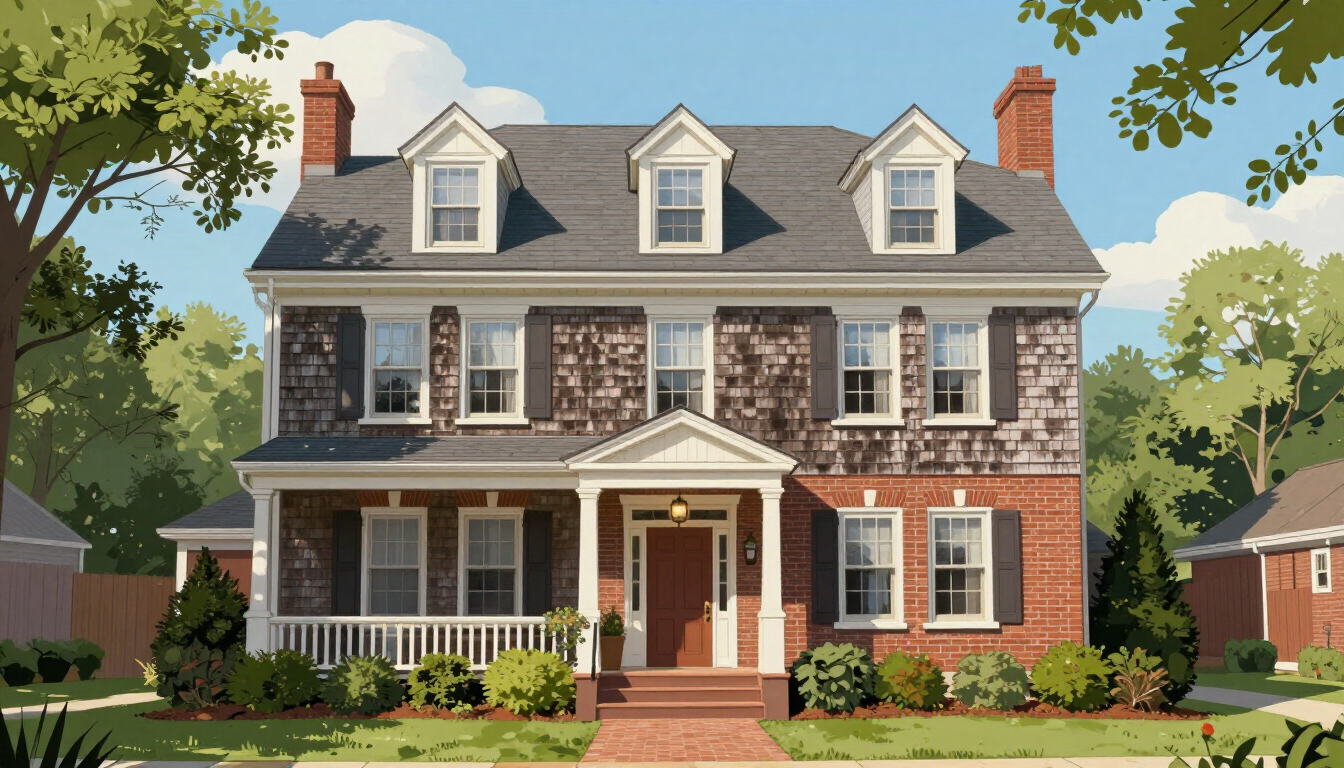
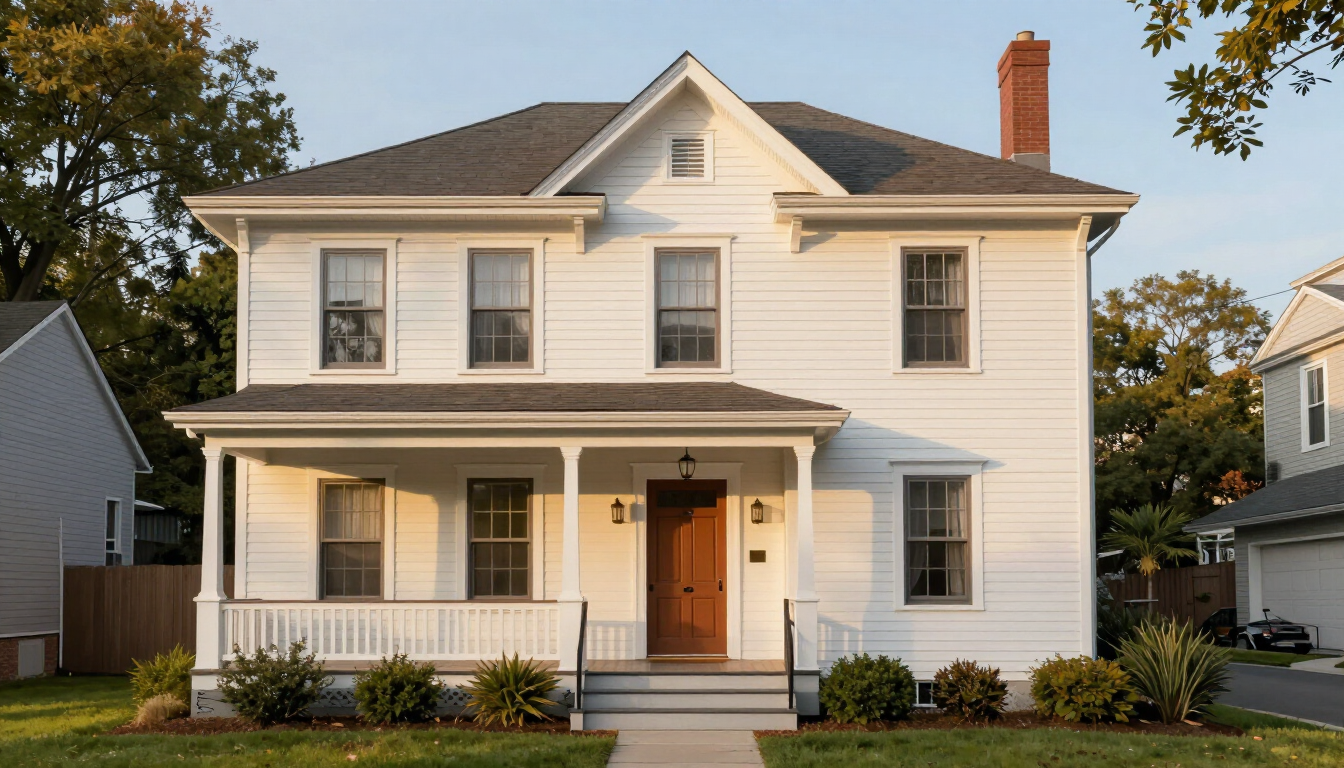
Englewood has one of Bergen County's richest stocks of older and historic homes — Colonials, Victorians, Tudors, and larger estate-style residences with original plaster walls, detailed wood trim, and decades of character. Painting these homes well is a different craft than repainting newer construction. This guide is the flagship article in our Englewood cluster, focused on the three things that define quality on an older Englewood home: plaster restoration, ornate trim and millwork, and lead-safe preparation.
For our full Englewood service coverage, visit our painters in Englewood, NJ page. For related specialty work, see interior painting in Englewood, exterior painting in Englewood, drywall and plaster repair in Englewood, and wallpaper removal in Englewood.
Why Older Englewood Homes Need a Different Painting Approach
Englewood's older homes were built with materials and methods that predate modern drywall and factory-finished trim. Original plaster walls, wood lath, solid-milled trim, and ornate millwork all behave differently than the smooth drywall and simple profiles found in newer construction. Across decades of New Jersey seasons, these materials expand and contract, develop settling cracks, and accumulate multiple layers of older coatings. Painting over those conditions without addressing them is the most common reason new paint fails early on a historic home.
When historic home painters Englewood NJ residents trust approach an older property, they plan the prep first and the color second. That means assessing plaster condition, evaluating trim and millwork, identifying failing coatings, and — on homes built before 1978 — following federal lead-safe renovation practices. Hudson Line Painters serves Englewood as part of our Northern New Jersey coverage, with licensed and insured teams experienced in older-home prep.
Plaster Restoration: The Foundation of Historic Interior Painting
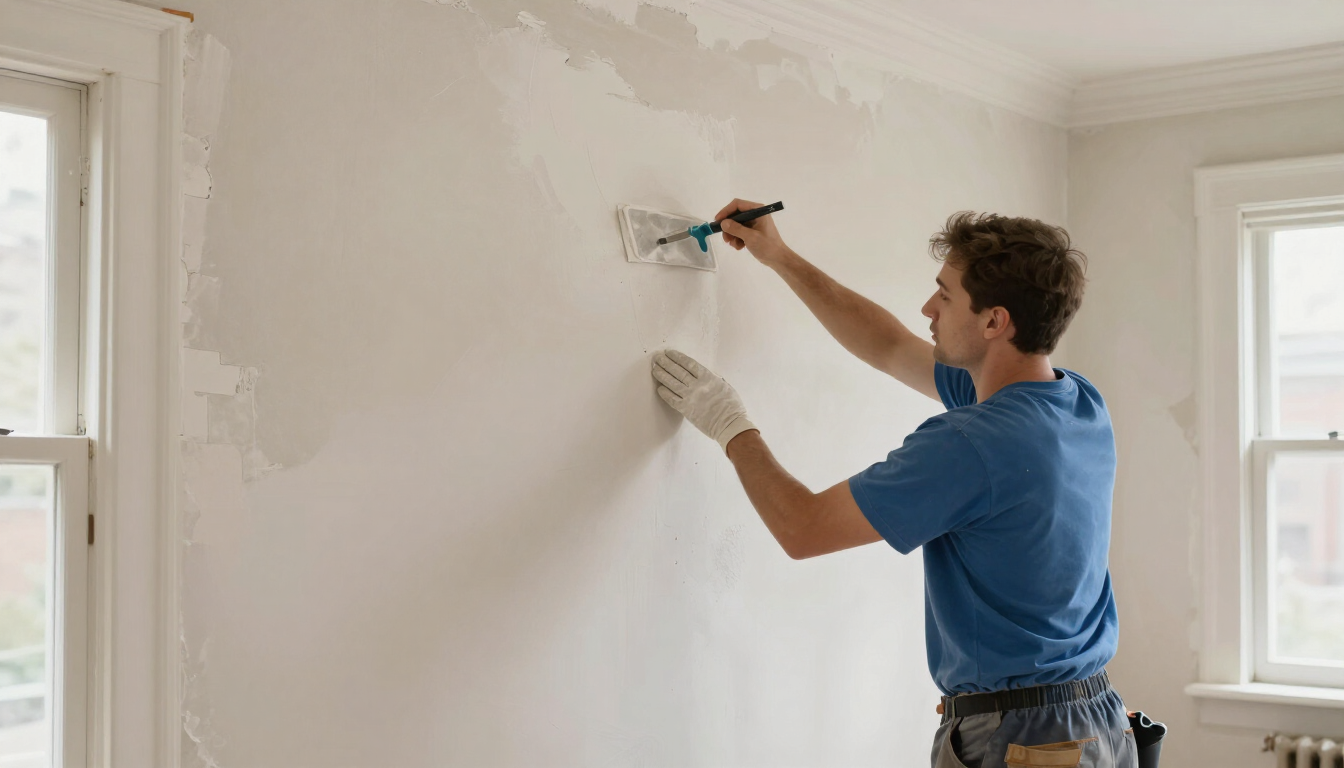
Original plaster is one of the defining features of older Englewood interiors, and it is also the surface most often shortchanged in a rushed paint job. Over time, plaster develops hairline and settling cracks, loses keys behind the lath, and shows water stains from decades of use. Painting directly over failing plaster hides the damage only briefly — as the plaster continues to move, the new coating cracks and lifts with it.
Proper plaster restoration before painting typically includes:
- Crack assessment and routing — widening fine cracks slightly so filler bonds into the gap rather than sitting on top.
- Re-securing loose plaster — reattaching plaster that has separated from the lath behind it.
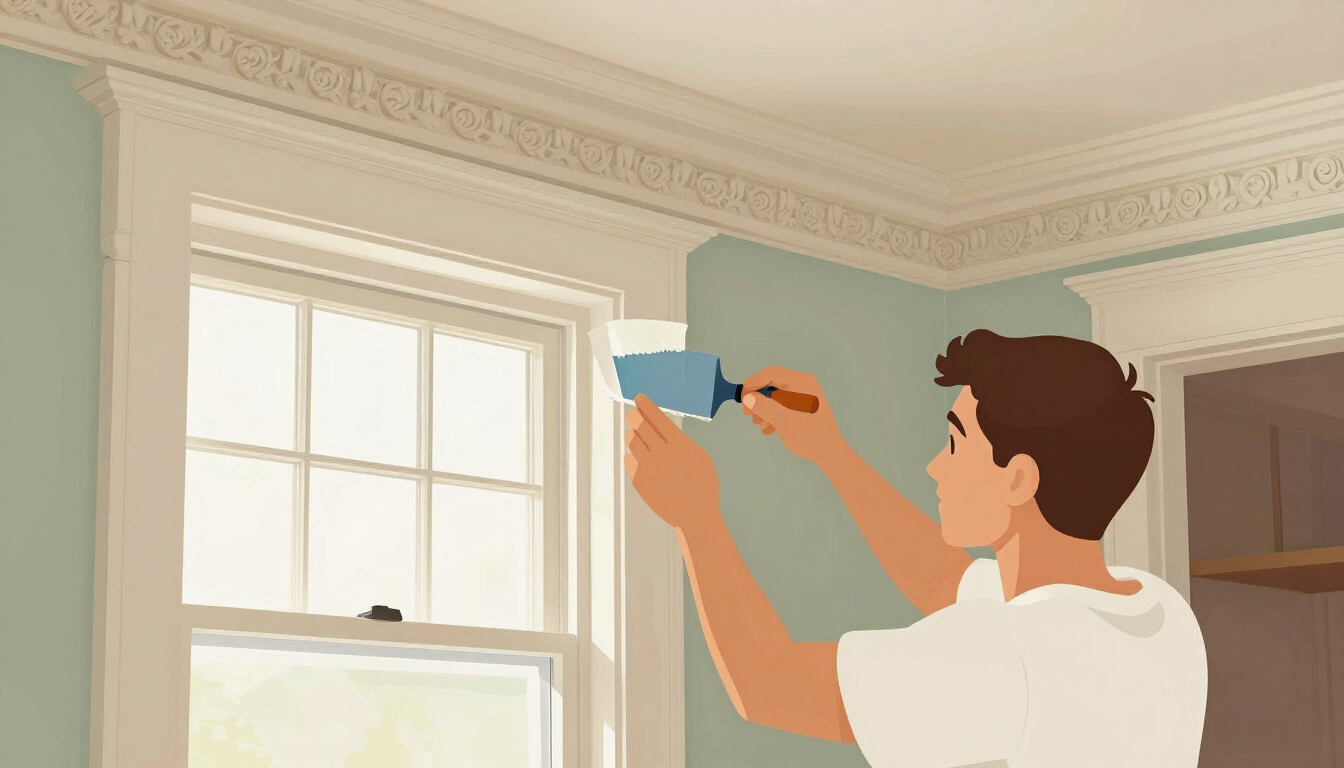
- Patching and skim-coating — filling cracks, holes, and stains, then skim-coating to a smooth, stable surface.
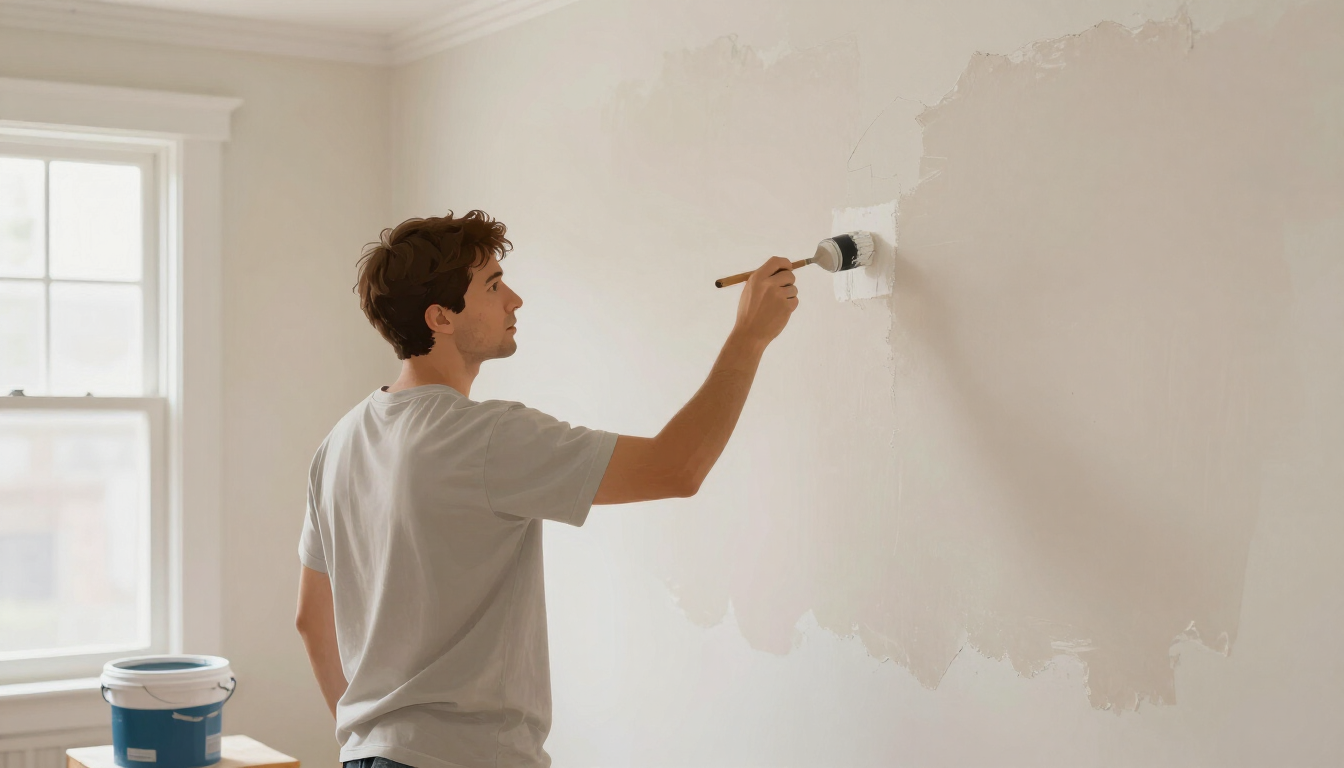
- Priming repaired areas — sealing patches and stain-prone spots before finish coats.
A smooth, stable plaster surface is what makes the finish color look right and last. For the full prep process, see our drywall and plaster repair in Englewood page.
Ornate Trim and Millwork: Where Historic Paint Quality Shows
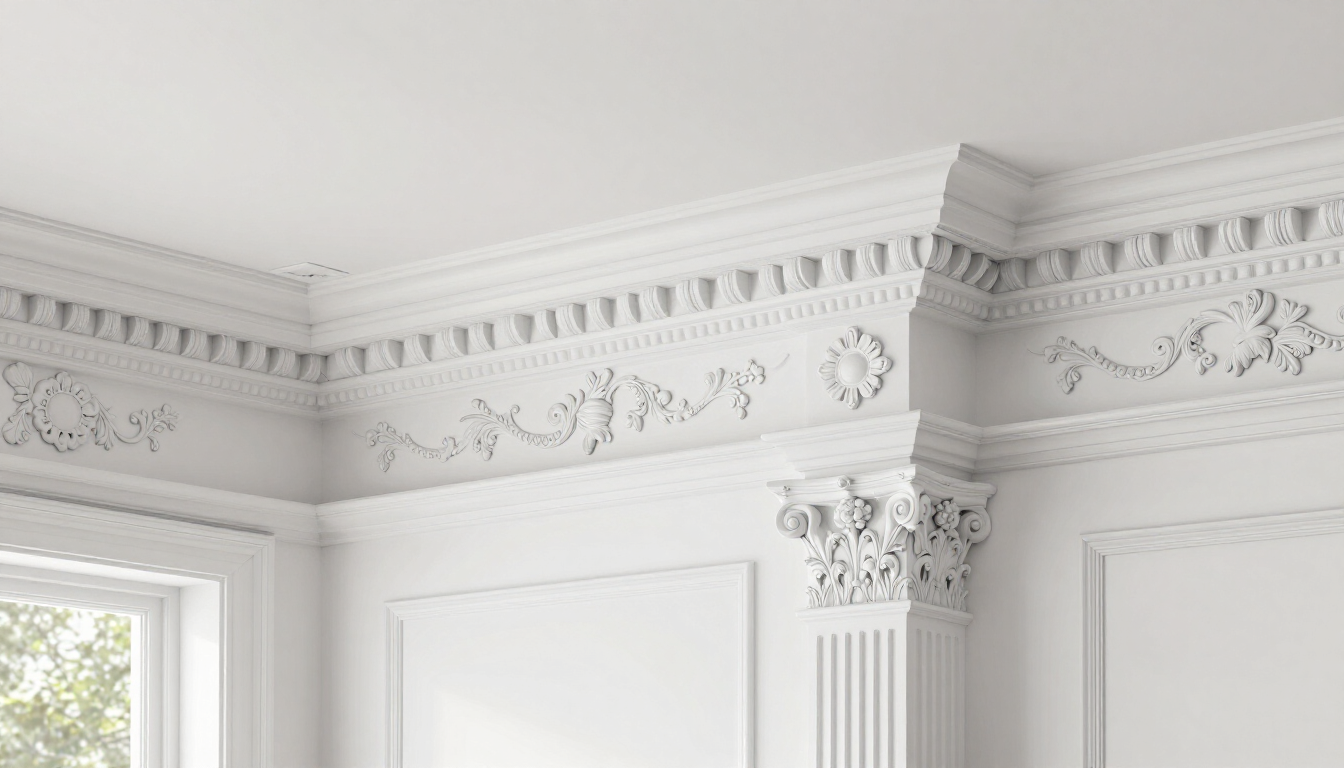
Trim and millwork are where an older Englewood home either looks restored or looks rushed. Crown molding, rosettes, picture rails, tall baseboards, paneled doors, and ornate window casings reward careful prep and hand brushing far more than speed. The process is typically clean, sand, spot-prime, then cut in and brush a durable enamel — often a semi-gloss or satin — that resists scuffs and highlights the detail of the millwork.
Crisp white or off-white trim against a slightly warmer wall color keeps historic interiors looking intentional rather than flat. Rushed trim work — lap marks, paint on the wall, uneven sheen — is the most visible sign of a low-quality historic paint job, because the detail of the millwork draws the eye directly to every flaw. For broader interior scope, see our interior painting in Englewood page.
Lead-Safe Prep: Required on Englewood Homes Built Before 1978
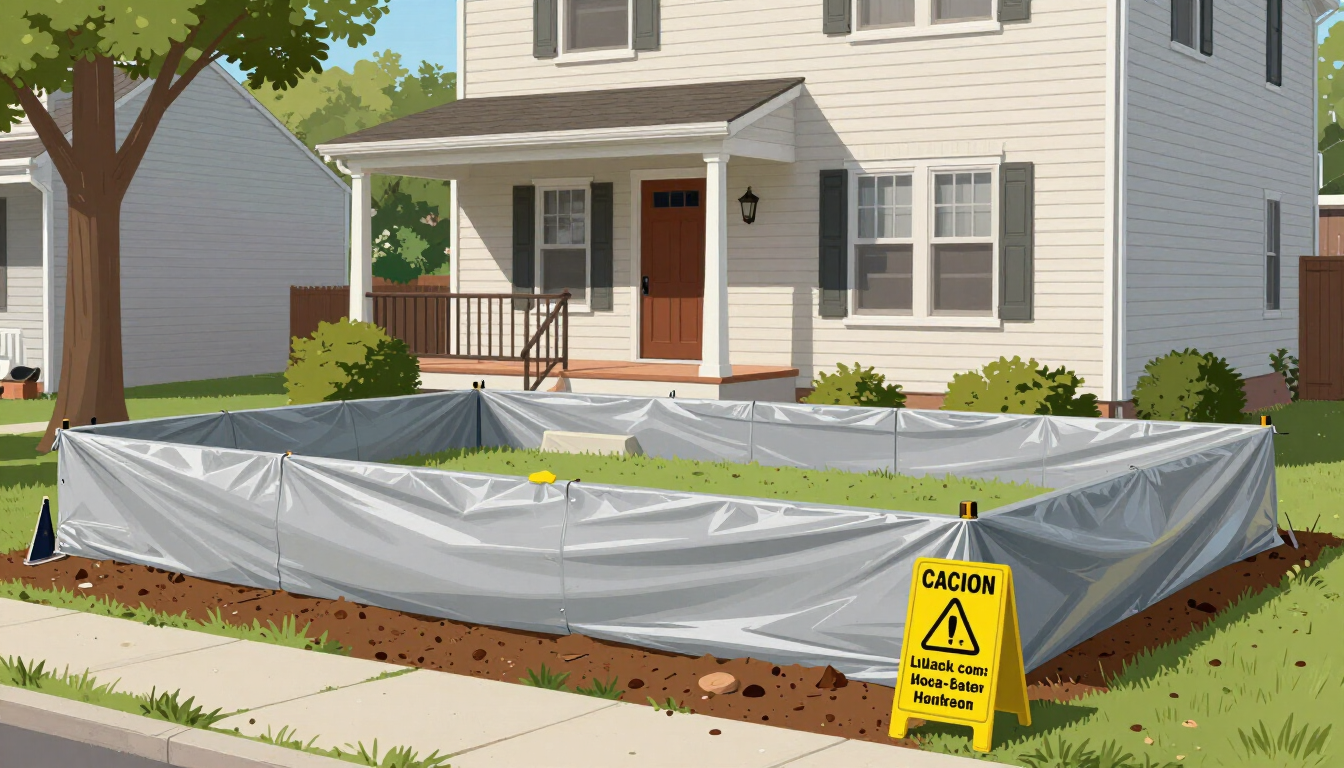
Federal law requires EPA lead-safe renovation practices on homes built before 1978 wherever painted surfaces are disturbed. Many of Englewood's older and historic homes fall well within that range, so lead-safe prep is not optional — it is a legal requirement for both interior and exterior work that involves scraping, sanding, or otherwise disturbing existing paint.
Lead-safe practices typically include:
- Containment setup — plastic sheeting to seal off work areas and prevent dust from spreading.
- Controlled removal — specialized scraping and cleaning methods that minimize dust.
- Daily cleanup and HEPA vacuuming — removing dust and debris from the work area each day.
- Proper disposal — handling and disposing of lead-containing debris according to regulations.
Any contractor offering to skip lead-safe practices on a pre-1978 Englewood home is creating legal liability for the owner. Always confirm your painter follows EPA lead-safe renovation rules and ask that the prep be itemized in the written estimate. We do not represent that any particular Englewood property contains lead — that can only be determined by testing — but the federal rule applies based on the home's age, and responsible contractors follow it by default.
Exterior Prep on Historic Englewood Homes
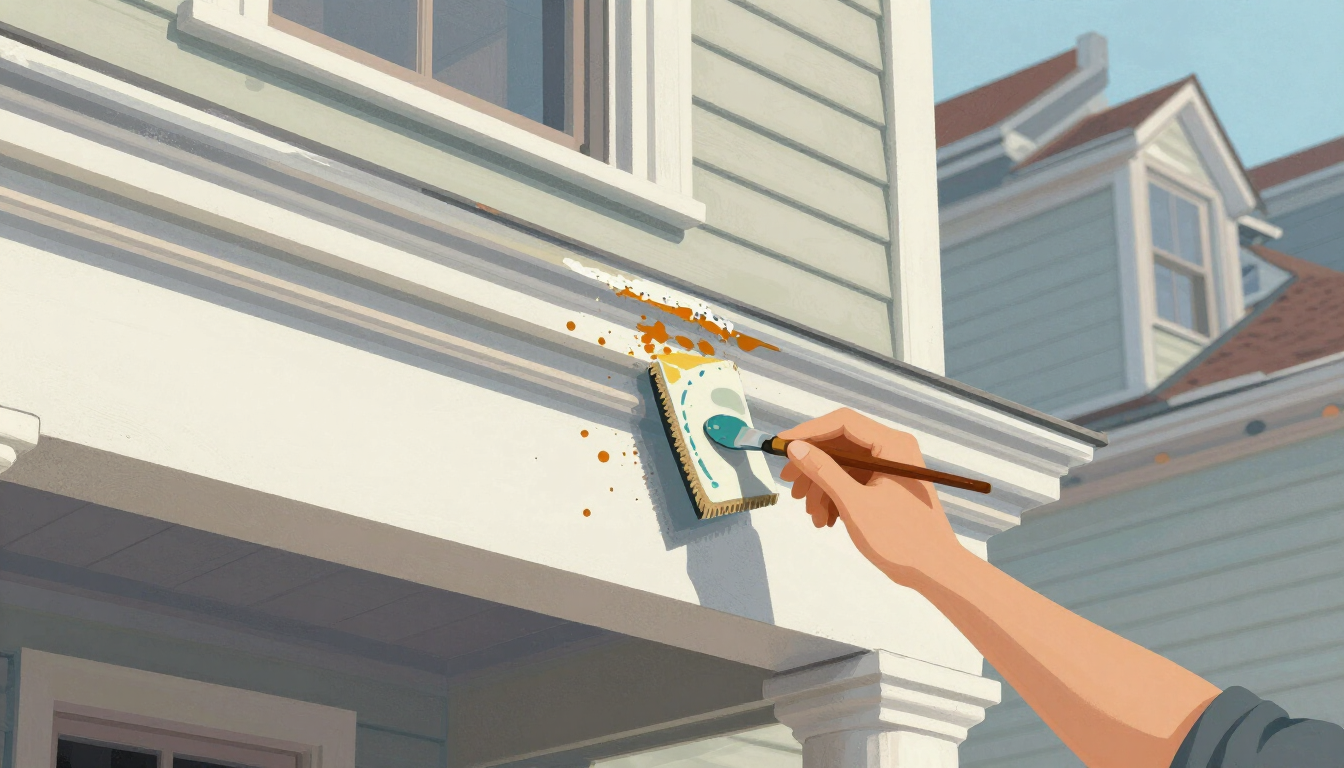
Englewood's historic exteriors mix clapboard siding, cedar shingles, brick, stucco, and detailed wood trim — and each material needs a product-specific prep approach. The most common prep steps on an older Englewood exterior include:
- Thorough scraping and sanding — removing loose and failing paint down to a stable surface.
- Wood repair — replacing or restoring rotted trim, fascia, and siding before coating.
- Caulking and sealing — closing gaps around trim, windows, and siding joints.
- Spot priming — priming bare wood and repaired areas for adhesion.
- Lead-safe containment — on pre-1978 homes, throughout the prep process.
Skipping exterior prep is the main reason new exterior paint peels within a year or two on older homes. For the full exterior process, see our exterior painting in Englewood page.
Wallpaper Removal on Older Englewood Interiors
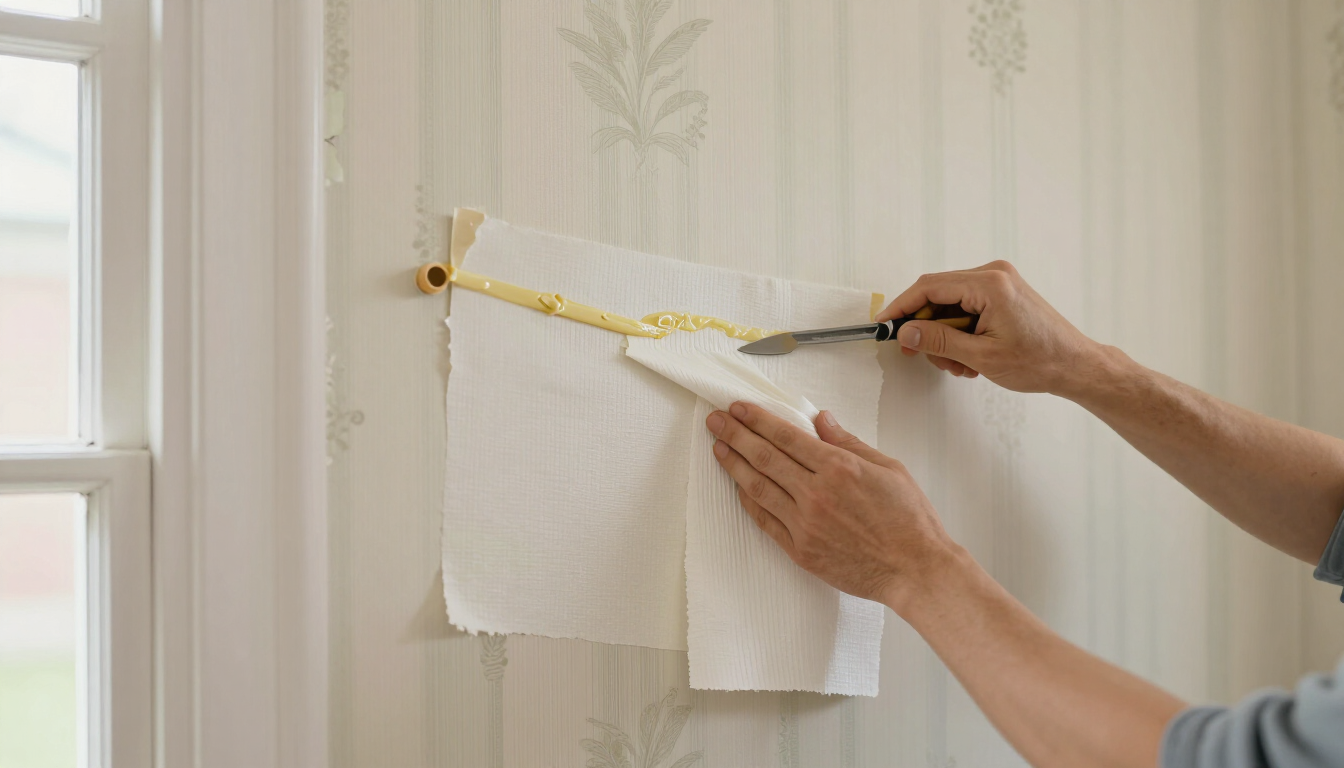
Many older Englewood homes have layers of wallpaper behind more recent updates, and removing it correctly is a prep step, not a finish step. Painting over wallpaper hides the seams only briefly — as adhesive fails and humidity cycles, the paper lifts and takes the paint with it. Proper removal includes steaming or scoring, stripping the paper, removing glue residue, and skim-coating the wall smooth before priming and painting.
On older Englewood homes, wallpaper removal often reveals plaster that needs repair — which is better to discover and fix before paint than after. See our wallpaper removal in Englewood page for the full process.
How to Vet Historic Home Painters in Englewood, NJ
Whether you search "historic home painters Englewood NJ," "luxury home painters Englewood NJ," or "estate painters Englewood NJ," the vetting checklist for older homes is the same:
- License and insurance — confirm the contractor is licensed and insured and can document it.
- Plaster experience — ask how the crew assesses and repairs original plaster before painting.
- Lead-safe practices — for pre-1978 homes, confirm the crew follows EPA lead-safe renovation rules.
- Trim and millwork skill — ask about hand brushing and cut-in work on ornate trim.
- On-site estimate — a real historic-home estimate happens in your home, not over a phone call with a flat price.
- Written scope — prep, product, sheen, protection, cleanup, and schedule in writing before work starts.
For the cost side of an older-home project — what drives price and how to compare estimates — see our companion guide on painting cost in Englewood, NJ.
A Simple Historic Home Painting Project Plan
- Walk the home with a pro — assess plaster, trim, millwork, and exterior surfaces before locking a scope.
- Confirm lead-safe requirements — for pre-1978 homes, build EPA lead-safe practices into the plan.
- Restore plaster first — patch, re-secure, and skim-coat walls to a stable surface.
- Prep trim and millwork by hand — clean, sand, spot-prime, and brush a durable enamel.
- Remove wallpaper properly — strip, clean glue, and skim-coat before priming.
- Prep the exterior thoroughly — scrape, repair, caulk, and prime before any topcoat.
- Do a final walk-through — punch-list with the lights on; historic detail hides nothing.
FAQs: Painting Historic & Older Homes in Englewood, NJ
What is different about painting historic and older homes in Englewood, NJ?
Older Englewood homes — Colonials, Victorians, and estate-style residences — typically have original plaster walls, detailed wood trim and millwork, and decades of existing paint layers. That means more assessment, more careful prep (plaster repair, scraping, spot priming), and lead-safe practices on homes built before 1978. The goal is to stabilize and restore the original surfaces rather than coat over problems, which is why prep — not square footage — drives most of the work and cost. See our Englewood location page for full service coverage.
Do Englewood homes built before 1978 require lead-safe painting prep?
Yes. Federal law requires EPA lead-safe renovation practices when painted surfaces are disturbed on homes built before 1978. That includes containment setup, specialized scraping and cleaning methods, and proper disposal. Lead-safe prep adds labor, but it is legally required and non-negotiable — any contractor offering to skip it is creating liability for the homeowner. Always confirm your Englewood painter follows lead-safe practices and ask that the prep be itemized in the written estimate.
Can painters in Englewood repair original plaster before painting?
Yes. Reputable painters working on older Englewood homes either handle plaster repair in-house or coordinate it before paint. Original plaster often needs crack patching, re-securing of loose keys, and skim-coating to create a smooth, stable surface. Painting over failing plaster is the most common reason new paint fails early on historic homes. See our drywall and plaster repair in Englewood page for the prep process.
How is ornate trim and millwork painted in older Englewood homes?
Detailed trim — crown molding, rosettes, tall baseboards, paneled doors, and ornate window casings — rewards careful prep and hand brushing rather than speed. The process is typically clean, sand, spot-prime, then cut in and brush a durable enamel (often semi-gloss or satin) that resists scuffs and highlights the millwork. Crisp white or off-white trim against a slightly warmer wall keeps historic interiors looking intentional. Rushed trim work is the most visible sign of a low-quality historic paint job.
Should old wallpaper be removed before painting in an Englewood home?
Almost always yes. Painting over wallpaper hides the seams only briefly; as adhesive fails and humidity cycles, the paper lifts and takes the paint with it. Proper removal includes steaming or scoring, stripping the paper, removing glue residue, and skim-coating the wall smooth before priming and painting. On older Englewood homes, wallpaper removal often reveals plaster that needs repair — which is better to discover and fix before paint than after. See our wallpaper removal in Englewood page.
What exterior prep do historic Englewood homes need before painting?
Historic Englewood exteriors — clapboard, cedar shingles, brick, stucco, and mixed-material facades — usually need thorough scraping and sanding of failing paint, repair of damaged wood, caulking around trim and joints, and spot priming of bare surfaces before any topcoat. Lead-safe containment applies on pre-1978 homes. Skipping exterior prep is the main reason new exterior paint peels within a year or two. See our exterior painting in Englewood page for the full process.
How do I find historic home painters in Englewood, NJ?
Search 'historic home painters Englewood NJ' and shortlist licensed, insured contractors with verified reviews and clear on-site estimates. Ask specifically about plaster repair, lead-safe practices, and ornate trim experience — these are the skills that separate historic-home painters from general repaint crews. Avoid any contractor who quotes a fixed price without walking the home or who downplays lead-safe requirements on a pre-1978 property. Hudson Line Painters offers free on-site estimates in Englewood.
How do I get a free estimate for painting an older Englewood home?
Visit our Englewood location page or contact form to request a free, no-obligation on-site estimate. We walk older and historic homes in Englewood to assess plaster condition, trim and millwork, exterior prep needs, and lead-safe requirements, then put prep, product, sheen, protection, and schedule in writing before any work starts.
Get a Free Estimate for Your Older Englewood Home
Hudson Line Painters is a licensed and insured painting contractor serving Englewood and nearby Bergen County communities, with 10+ years of experience, 100+ completed projects, and a 4.9-star rating backed by 70+ verified Google reviews. Whether you own a Victorian with ornate millwork, a Colonial with original plaster, or a larger estate-style residence, we plan the prep first and the color second.
Explore painters in Englewood, NJ, review interior painting, exterior painting, drywall and plaster repair, wallpaper removal, or request your free estimate today.