A guide to painting older homes in Lyndhurst, NJ — plaster walls, drywall cracks, previously painted woodwork, trim and doors, peeling coatings, water stains, primer selection, and EPA lead-safe surface preparation. Focused exclusively on Lyndhurst's older housing stock.
If you own an older home in Lyndhurst and you are searching for house painters Lyndhurst NJ homeowners can trust with plaster walls, settling cracks, and decades of existing paint, this guide explains what proper surface preparation actually involves. A meaningful share of Lyndhurst's housing stock is older construction, and a lasting finish on these homes depends on preparation that addresses the older substrates — not simply painting over them. We phrase this work around older properties in the township, not as a claim that every Lyndhurst home is old.
For our full Lyndhurst service coverage, visit our painters in Lyndhurst, NJ page. For interior-specific guidance, see our companion guide on interior painting in Lyndhurst. To request a free, no-obligation on-site estimate, contact us here.
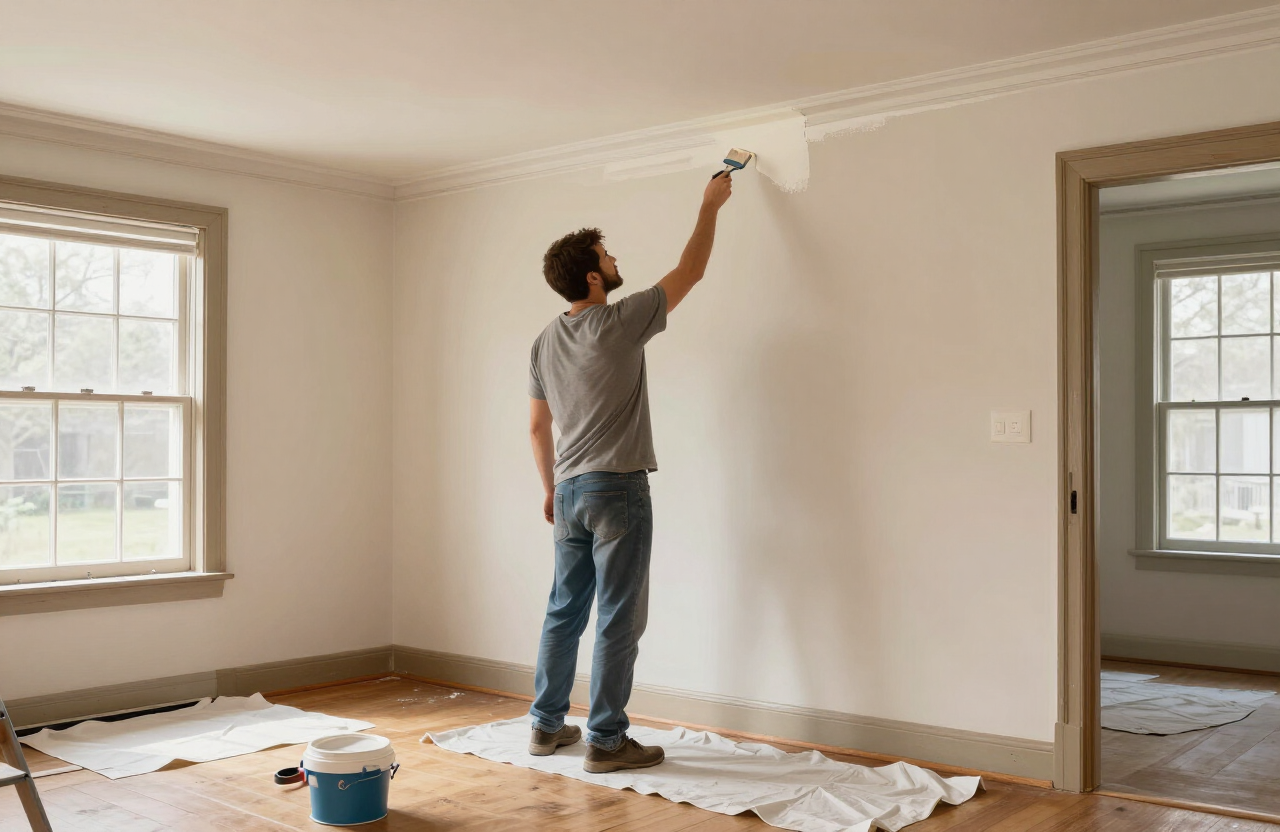
Why Older Lyndhurst Homes Need Different Preparation
Older Lyndhurst homes typically have original plaster walls, detailed wood trim, and layers of paint that may go back decades. Modern drywall construction is more forgiving — a quick spot prime and two coats will usually hold. Older substrates are not. Plaster can be loose or powdery behind sound-looking paint. Previous coatings may be oil-based, which modern latex will not bond to without the right primer. Settling cracks run through walls and ceilings. And homes built before 1978 may contain lead-based paint, which triggers federal lead-safe work practices where painted surfaces are disturbed.
The goal on an older Lyndhurst home is to stabilize and restore the original surfaces rather than coat over problems. That is why prep — not square footage — drives most of the work and cost. A painter who skips the assessment and prep on an older home is setting the finish up to fail.
Plaster Wall Repairs in Older Lyndhurst Homes
Plaster is the most common older-substrate issue in Lyndhurst's older homes. We assess adhesion across the wall, re-secure loose plaster where possible, and address cracks and surface damage before any finish coat goes on.
Typical plaster prep includes:
- Adhesion testing — checking whether existing paint is sound or fragile, and whether the plaster itself is firmly keyed to the lath beneath.
- Bonding primers — where old paint is sound but fragile, a bonding primer stabilizes the surface so the new finish adheres.
- Skim coating — loose, powdery, or uneven plaster is skim-coated with joint compound to create a smooth, paintable surface.
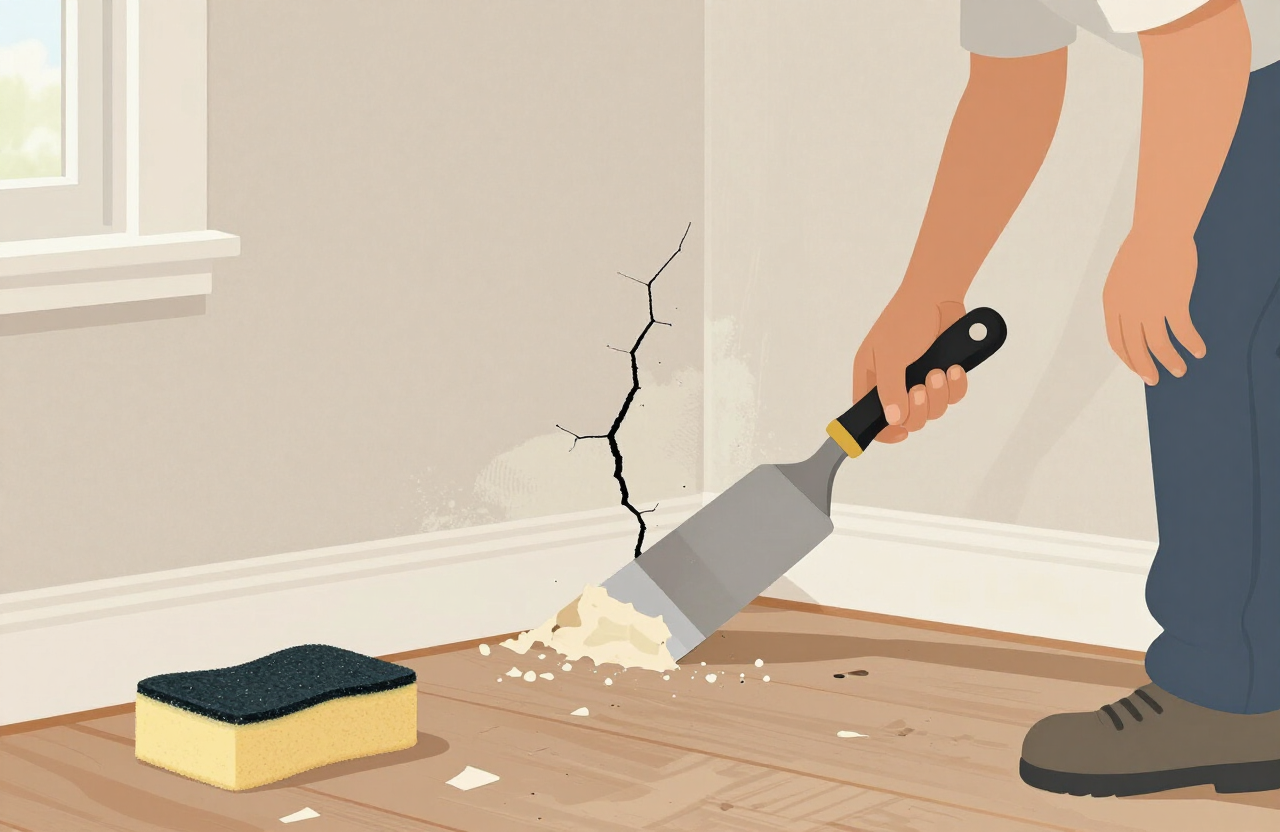
- Crack repair — hairline and settling cracks are raked and widened so filler bonds into the gap, then patched, feathered, and primed.
Painting directly over failing plaster cracks hides them only briefly — as the plaster moves with the seasons, the new coating cracks with it. Proper plaster restoration is a prep step that protects the finish investment and extends the life of the paint.
Drywall Cracks and Patching
Even where walls have been converted to drywall, older Lyndhurst homes commonly show settling cracks, nail pops, and patched areas from previous repairs. We rake out cracks, fill with joint compound or spackle, feather the repair into the surrounding wall, sand smooth, and prime so the repair does not telegraph through the finish coat. Nail holes, anchor holes, scuffs, and minor impact damage are patched the same way. On older homes, drywall and plaster repair is often the most important step, because painting over damaged surfaces hides the problem only briefly. See our drywall repair in Lyndhurst page for the prep process.
Previously Painted Woodwork, Doors and Trim
Older Lyndhurst homes often have original wood trim, doors, and millwork that have been painted multiple times over the decades. Before refinishing, we identify whether the existing coating is oil-based or latex, test for adhesion, and apply the correct bonding primer so the new enamel bonds. Flaking paint is scraped, dents and nail holes are filled, surfaces are sanded smooth, and trim and doors are refinished with a durable enamel. Skipping the primer step on older oil-based coatings is one of the most common causes of premature peeling on trim.
Peeling Coatings and Surface Preparation
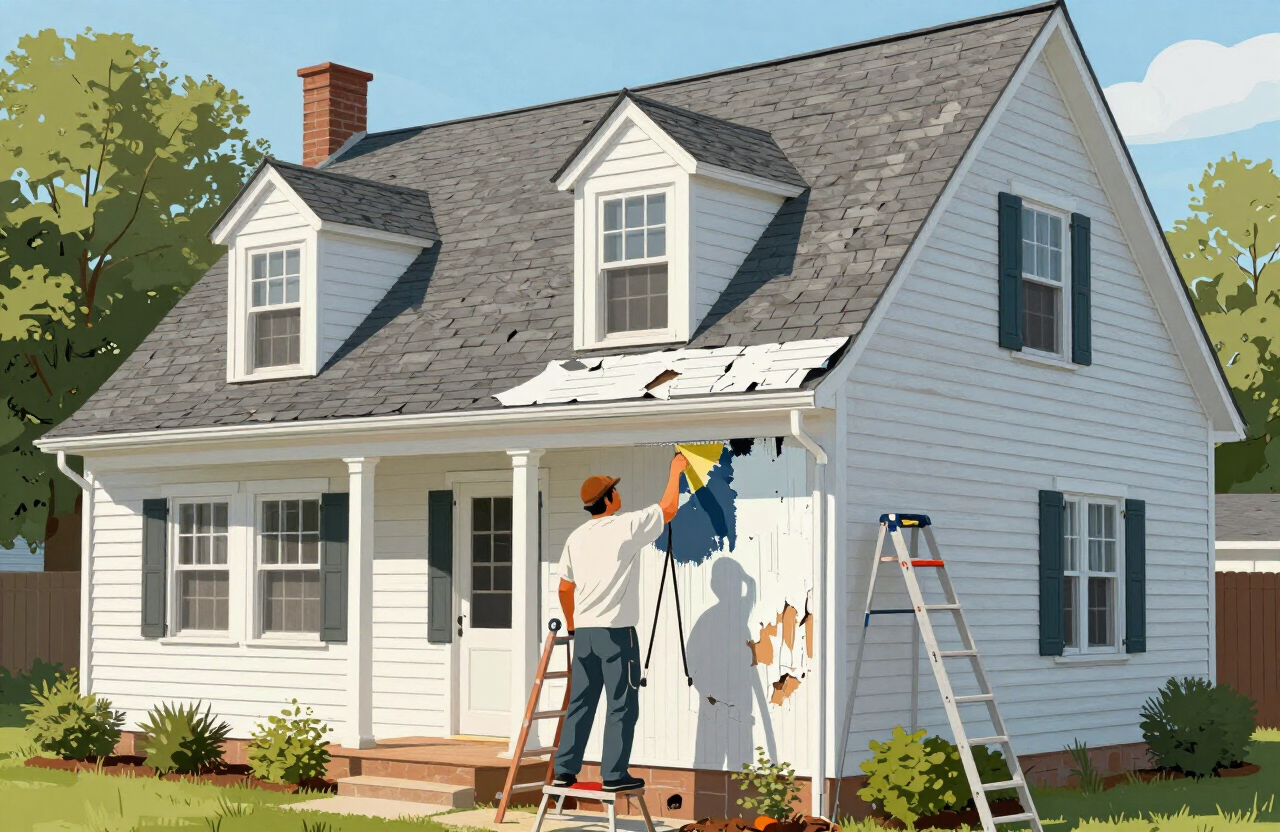
Where existing paint is peeling or failing, we remove loose paint, feather-sand the edges so the transition is smooth, and spot prime bare substrate before applying finish coats. Surface preparation — cleaning, patching, caulking, and priming — is a deliberate step before any finish coat goes on, not an afterthought. The quality of this step is the single biggest determinant of how long the new finish lasts.
Water Stains and Moisture
Water stains are sealed with a stain-blocking primer so they do not bleed through the new finish. But painting should happen only after the source of the moisture has been corrected and the substrate is properly dry. If we suspect active moisture or mold during the estimate, we will flag it so it can be addressed by the appropriate trade before painting begins. Painting over an active leak or still-wet substrate will fail. For exterior moisture considerations, see our companion guide on exterior house painting in Lyndhurst.
Primer Selection on Older Substrates
Primer selection is matched to the substrate, and on older Lyndhurst homes it matters as much as the finish:
- Bonding primer — for sound-but-fragile old coatings and bare wood, so the new finish adheres.
- Stain-blocking primer — for water stains, smoke, and tannin bleed so discoloration does not telegraph through.
- Masonry primer — where plaster, stucco, or masonry substrates require it.
The right primer is what allows a modern latex topcoat to bond to surfaces that were last coated decades ago. Prep and product together extend coating life.
EPA Lead-Safe Practices on Pre-1978 Homes
On homes built before 1978, federal rules require EPA RRP lead-safe renovation practices where painted surfaces are disturbed, including containment and clean-up of dust and debris. Hudson Line Painters is an EPA Lead-Safe certified firm and follows RRP practices on pre-1978 Lyndhurst homes where applicable. If your older home predates 1978, we will discuss lead-safe procedures during the estimate so the work is performed correctly and safely.
FAQs: Painting Older Homes in Lyndhurst, NJ
How is painting older homes in Lyndhurst different from newer construction?
Older Lyndhurst homes typically have original plaster walls, detailed wood trim, and decades of existing paint layers. That means more assessment, more careful prep (plaster repair, scraping, spot priming), and lead-safe practices on homes built before 1978. The goal is to stabilize and restore the original surfaces rather than coat over problems, which is why prep — not square footage — drives most of the work and cost. House painters Lyndhurst NJ homeowners rely on plan the prep first and the color second.
Can you repair plaster walls before painting in Lyndhurst?
Yes. Many older Lyndhurst homes have original plaster walls with hairline and settling cracks. We assess adhesion, re-secure loose plaster where possible, rake and widen cracks so filler bonds into the gap, patch with joint compound, skim-coat to a smooth surface, and prime repaired areas before finishing. Painting directly over failing plaster cracks hides them only briefly — as the plaster moves, the new coating cracks with it. Proper plaster restoration is a prep step that protects the finish investment.
Do you repair drywall cracks before painting older Lyndhurst homes?
Yes. We rake out settling and hairline cracks, fill with joint compound or spackle, feather the repair, sand smooth, and prime so cracks do not telegraph through the finish coat. On older Lyndhurst homes, drywall and plaster repair is often the most important step, because painting over damaged surfaces hides the problem only briefly. A written estimate breaks prep out as its own line.
What about previously painted woodwork and trim in older Lyndhurst homes?
We identify oil-based versus latex layers, test for adhesion, and apply the correct bonding primer so new finish coats bond. Flaking paint is scraped, dents and nail holes are filled, surfaces are sanded smooth, and trim and doors are refinished with a durable enamel. Older coatings need the right primer before a modern latex finish will adhere — skipping this step is a common cause of premature peeling.
Are lead-safe practices required for older Lyndhurst homes?
On homes built before 1978, federal rules require EPA RRP lead-safe renovation practices where painted surfaces are disturbed, including containment and clean-up. Hudson Line Painters is an EPA Lead-Safe certified firm and follows RRP practices on pre-1978 Lyndhurst homes where applicable. If your older home predates 1978, we will discuss lead-safe procedures during the estimate.
How do you handle water stains on older Lyndhurst walls?
Water stains are sealed with a stain-blocking primer so they do not bleed through the new finish. However, painting should happen only after the source of the moisture has been corrected and the substrate is properly dry. If we suspect active moisture or mold during the estimate, we will flag it so it can be addressed by the appropriate trade before painting begins. Painting over an active leak or still-wet substrate will fail.
What primer works best on older Lyndhurst substrates?
Primer selection is matched to the substrate: bonding primer for sound-but-fragile old coatings and bare wood, stain-blocking primer for water stains and tannin bleed, and masonry primer where needed. The right primer matters as much as the finish on older substrates — it is what allows a modern latex topcoat to bond to surfaces that were last coated decades ago.
How do I get a free estimate for painting an older Lyndhurst home?
Visit our Lyndhurst location page or contact form to request a free, no-obligation on-site estimate. We walk older Lyndhurst homes to assess plaster, trim, previous coatings, and prep requirements, then put prep, product, sheen, protection, cleanup, and schedule in writing before any work starts. Call (551) 391-5020 or request an estimate through our contact page.
Get a Free Estimate for Your Older Lyndhurst Home
Hudson Line Painters is a licensed and insured, EPA Lead-Safe certified painting contractor serving Lyndhurst and surrounding Bergen County communities, with 10+ years of experience, 100+ completed projects, and a 4.9-star rating backed by 70+ verified Google reviews. We handle plaster repair, drywall and crack repair, trim refinishing, and lead-safe surface preparation for older Lyndhurst homes — with premium Benjamin Moore and Sherwin-Williams finishes and a 1-year workmanship warranty on every project.
Explore painters in Lyndhurst, NJ, review drywall repair in Lyndhurst, interior painting, or request your free estimate today.