A guide to exterior painting in Little Ferry, NJ — moisture and the Hackensack River environment, peeling and failed coatings, exterior preparation, basement and lower-level painting, mold and mildew, weather timing, and proper surface preparation. Focused exclusively on Little Ferry.
If you are searching for exterior painters Little Ferry NJ homeowners can trust with moisture-stained siding, peeling coatings, and river-environment exposure, this guide explains what proper exterior surface preparation involves in Little Ferry. Little Ferry borders the Hackensack River, and moisture is a real factor in how exterior coatings perform here. A lasting exterior finish depends on preparation that addresses the substrate and the conditions — not simply applying a fresh coat over a compromised surface. This guide stays focused exclusively on Little Ferry.
For our full Little Ferry service coverage, visit our painters in Little Ferry, NJ page. For the dedicated exterior service process, see exterior painting in Little Ferry. To request a free, no-obligation on-site estimate, contact us here.
Why Exterior Painting in Little Ferry Is Different
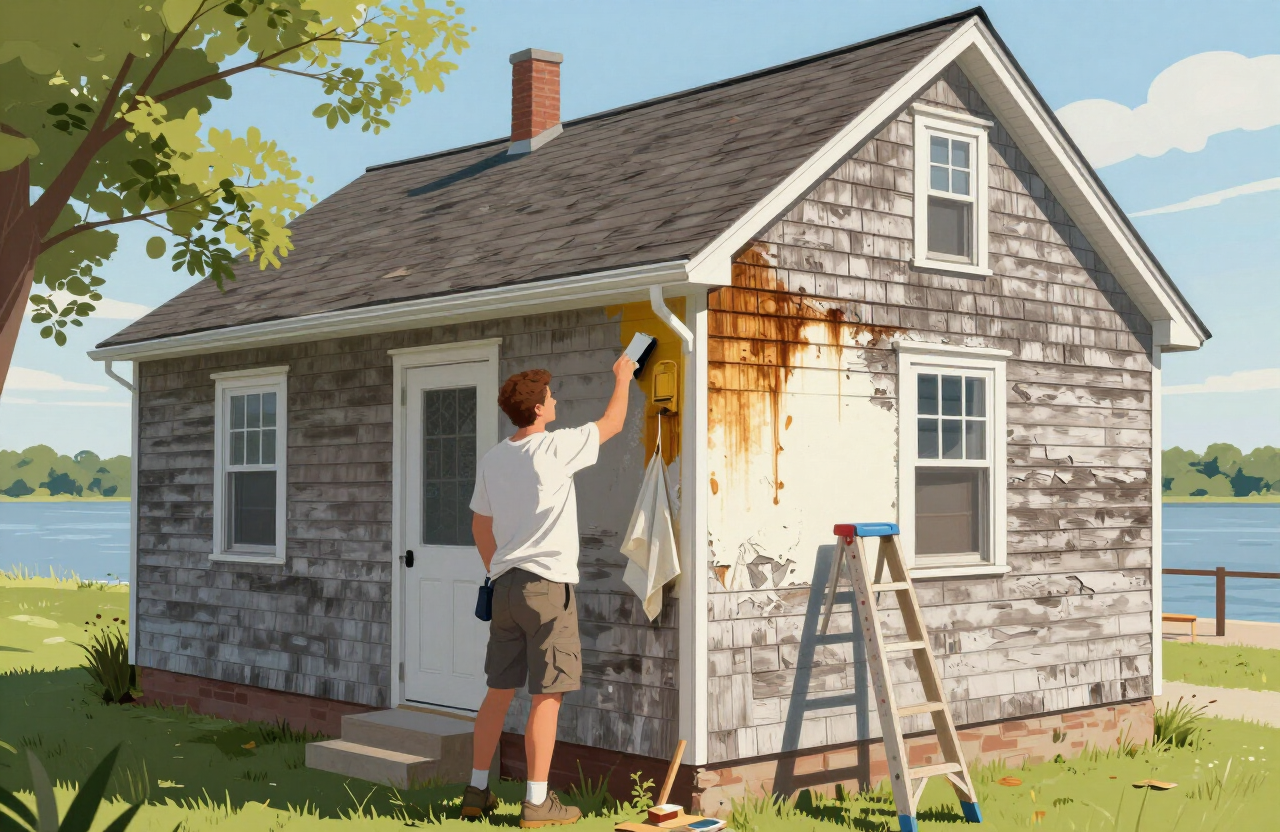
Little Ferry's location along the Hackensack River means exterior surfaces here see more moisture exposure than drier inland Bergen County communities. That affects both how coatings perform and how they need to be prepared. Moisture can cause paint to peel, blister, and fail prematurely if the substrate is not properly dry and the right primers and coatings are not used. It also means surface preparation — washing, scraping, sanding, spot priming, and caulking — matters more than the brand of the topcoat.
The guidance in this guide is about proper prep. It is not a claim that painting solves an active moisture or mold problem. Active moisture and mold must be corrected first, by the appropriate trade, before any repainting.
Moisture Stains & Previously Damaged Drywall and Siding
Moisture stains on exterior siding, trim, or lower-level walls are common on properties near the river. Painting should happen only after the source of the moisture is resolved and substrates are properly dry. Once the source is corrected, stain-blocking primer seals residual discoloration so it does not bleed through the finish, and damaged substrate is repaired or replaced before repainting. Painting over an active leak or still-wet substrate will fail — the new coating will blister and peel as moisture tries to escape through it.
Peeling & Failed Coatings
Peeling and failed coatings are a sign that the previous paint lost adhesion — often because of moisture, poor prep the last time, or an incompatible coating system. We remove loose, peeling paint down to sound substrate, feather-sand the edges so the transition is smooth, and spot prime bare substrate before applying finish coats. Where moisture vapor may be present, breathable coatings are chosen so trapped moisture can escape rather than blistering the paint. Simply applying a new coat over peeling paint guarantees the new coat peels with it.
Exterior Preparation: The Step That Determines Durability
Proper exterior preparation is the single biggest determinant of how long the new finish lasts. Our exterior prep on a Little Ferry home typically includes:
- Washing — removing dirt, algae, mildew, and chalk so the new coating bonds to a clean surface.
- Scraping — removing loose and peeling paint down to sound substrate.
- Sanding — feather-sanding edges of scraped areas for a smooth transition.
- Spot priming — priming bare substrate and repaired areas with the correct primer.
- Caulking — sealing gaps around windows, doors, trim, and penetrations to limit moisture entry.
- Finish coats — applying two coats of an exterior-grade product suited to the substrate and exposure.
Skipping or rushing prep is the most common reason exterior paint fails early. On a Little Ferry exterior, prep is where the work — and the durability — actually lives.
Basement & Lower-Level Painting
Basements and lower-level exterior walls are the most exposed to ground moisture, especially in a river-bordering borough like Little Ferry. The surface is evaluated before repainting rather than simply covering stains. Existing moisture or substrate issues are identified for the owner to address, and coatings are chosen for lower-level conditions and durability. If we suspect active moisture or mold during the estimate, we will flag it so it can be corrected by the appropriate trade before painting begins.
Mold and Mildew: Paint Is Not the Fix
Exterior surfaces in Little Ferry can develop mildew and algae growth in shaded, damp areas. Washing removes surface growth before painting, and mildew-resistant exterior coatings help slow recurrence. But painting does not solve an active moisture or mold problem. If there is an underlying moisture source — a leak, poor drainage, or condensation — it must be identified and corrected first, by the appropriate trade. Once the source is resolved and the substrate is dry, surface preparation and the right coatings can restore the finish. We will flag suspected active moisture or mold during the estimate so it can be addressed before painting begins.
Weather, Timing, and New Jersey Exposure
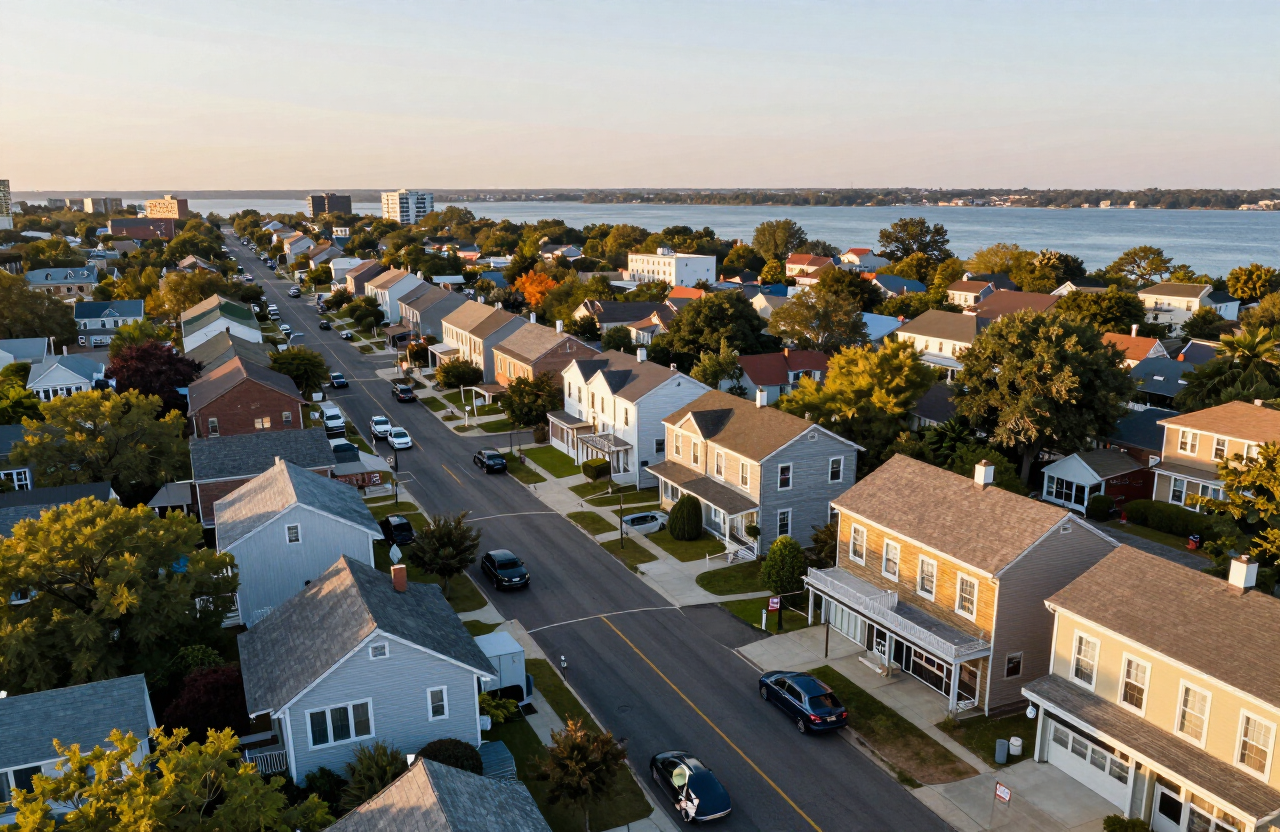
Exterior coatings need the right temperature and humidity range to cure properly. The best window for exterior painting in Little Ferry is late spring through early fall, when conditions allow coatings to form a durable film. Exterior work also depends on dry substrates — especially important for properties near the Hackensack River. We schedule exterior projects around the forecast and avoid painting over damp surfaces. During your free on-site estimate we can recommend a realistic schedule based on your home's condition and the time of year.
New Jersey's seasonal temperature swings also mean flexible exterior acrylics that expand and contract with the weather hold up better than rigid coatings. For wood siding and trim, we use premium Benjamin Moore and Sherwin-Williams exterior lines engineered for this climate.
Lead-Safe Practices on Pre-1978 Exteriors
On homes built before 1978, federal rules require EPA RRP lead-safe renovation practices where painted surfaces are disturbed — and exterior scraping and sanding disturb a lot of painted surface. Hudson Line Painters is an EPA Lead-Safe certified firm and follows RRP practices on pre-1978 Little Ferry exteriors, including containment and clean-up of dust and debris. If your home predates 1978, we will discuss lead-safe procedures during the estimate.
FAQs: Exterior Painting in Little Ferry, NJ
What makes exterior painting in Little Ferry different from other Bergen County towns?
Little Ferry borders the Hackensack River, and moisture is a real factor in how exterior coatings perform here. Proper surface preparation — washing, scraping, sanding, spot priming, and caulking — matters more than in drier inland areas, and coatings should be chosen with the substrate and exposure in mind. Exterior painters Little Ferry NJ homeowners rely on evaluate moisture and previous coating failure before repainting, rather than simply applying a fresh coat over a compromised surface.
Can you paint over moisture stains and peeling paint on a Little Ferry exterior?
Peeling and failed coatings must be removed first. We scrape loose paint, feather-sand the edges, and spot prime bare substrate before applying finish coats. Moisture stains are sealed with a stain-blocking primer so they do not bleed through. However, painting should happen only after the source of any moisture has been corrected and the substrate is properly dry. Painting over an active moisture source or still-wet substrate will fail.
Does painting solve an active moisture or mold problem on a Little Ferry exterior?
No. Painting does not solve an active moisture or mold problem. Underlying moisture issues must be identified and corrected first — by the appropriate trade — before any repainting. Once the source is resolved and the substrate is dry, surface preparation and stain-blocking primer can restore the finish. If we suspect active moisture or mold during the estimate, we will flag it so it can be addressed before painting begins.
What exterior preparation do you do before painting in Little Ferry?
Exterior preparation includes washing the surface to remove dirt, algae, and chalk; scraping loose and peeling paint; feather-sanding edges; spot priming bare substrate; caulking gaps and sealing penetrations to limit moisture entry; and then applying two finish coats of an exterior-grade product suited to the substrate. Proper prep is the single biggest determinant of how long the new finish lasts — far more important than the brand of the topcoat.
What exterior coatings work best for Little Ferry homes near the river?
Coatings are chosen for the substrate and the exposure. For wood siding and trim, flexible exterior acrylics that expand and contract with seasonal temperature swings hold up best. Where moisture vapor may be present, breathable coatings allow trapped moisture to escape rather than blistering the paint. The right primer — bonding primer for old coatings, stain-blocking primer for moisture stains — matters as much as the finish. We use premium Benjamin Moore and Sherwin-Williams exterior lines.
When is the best time to paint a house exterior in Little Ferry?
The best window for exterior painting in Little Ferry is late spring through early fall, when temperatures and humidity allow coatings to cure properly. Exterior work also depends on dry substrates — especially important for properties near the Hackensack River. We schedule exterior projects around the forecast and avoid painting over damp surfaces. During your free on-site estimate we can recommend a realistic schedule based on your home's condition and the time of year.
Do you handle basement and lower-level exterior painting in Little Ferry?
Yes. For basement and lower-level areas, the surface is evaluated before repainting rather than simply covering stains. Existing moisture or substrate issues are identified for the owner to address, and coatings are chosen for lower-level conditions and durability. Because lower levels are most exposed to ground moisture, we will flag any suspected active moisture or mold during the estimate so it can be corrected before painting.
How much does exterior painting cost in Little Ferry?
There is no single flat price. Cost depends on square footage, the substrate (wood siding, trim, stucco, masonry), the amount of prep (scraping, sanding, priming, caulking), the extent of any moisture or coating failure, product choice, and accessibility. Prep is the largest cost variable on a Little Ferry exterior. The only reliable way to price the project is a free on-site estimate that breaks each factor out in writing.
How do I get a free exterior painting estimate in Little Ferry?
Visit our Little Ferry location page or contact form to request a free, no-obligation on-site estimate. We walk Little Ferry exteriors to assess substrate condition, moisture, previous coating failure, and prep requirements, then put prep, product, protection, cleanup, and schedule in writing before any work starts. Call (551) 391-5020 or request an estimate through our contact page.
Get a Free Exterior Painting Estimate in Little Ferry, NJ
Hudson Line Painters is a licensed and insured, EPA Lead-Safe certified painting contractor serving Little Ferry and surrounding Bergen County communities, with 10+ years of experience, 100+ completed projects, and a 4.9-star rating backed by 70+ verified Google reviews. We handle exterior painting for Little Ferry homes with expert surface preparation, moisture-aware prep, premium Benjamin Moore and Sherwin-Williams exterior finishes, and a 1-year workmanship warranty on every project.
Explore painters in Little Ferry, NJ, review exterior painting in Little Ferry, read our guides on interior painting and painting older homes in Little Ferry, or request your free estimate today.